The use of inbreeding and linebreeding in pedigree animals is a topic that creates a lot of controversies. Before deciding whether these breeding methods are something you can correctly and safely utilize in your breeding program, there are many factors to consider. This will be a long one, so grab a coffee and get those reading glasses on! Also, I have talked quite a bit about cattle in this article. While we are a group of Bengal enthusiasts, I have over 20 years of experience with cattle genetics, and the information and processes are all transferable.
What Are Inbreeding & Linebreeding?
Inbreeding is the pairing of two animals with one or more close blood relatives. There are different levels of inbreeding.
First degree inbreeding describes a pairing between full siblings or a father to daughter or mother to son pairing.
Second degree inbreeding describes a pairing between less closely related individuals such as grandparent to grand offspring, aunt to nephew, or uncle to niece (“What do the terms inbreeding and linebreeding mean? – RSPCA Knowledgebase”).
As the matings move out further from first and second degree inbreeding, you move towards linebreeding. Linebreeding is a form of inbreeding using animals with some shared ancestry but no first or second degree relatives. Having the same cat come up twice in 5 generations still falls within the realms of linebreeding, so it is something to pay attention to on your pedigrees.
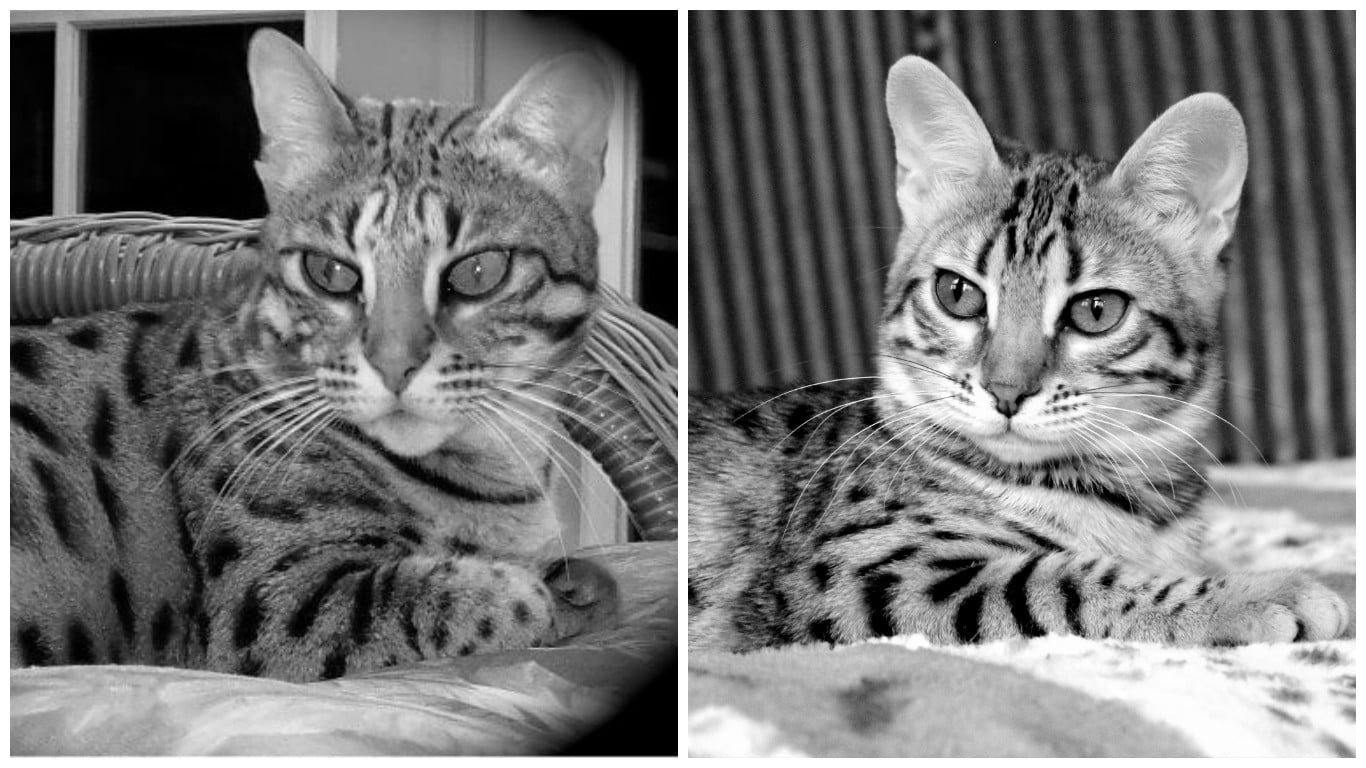
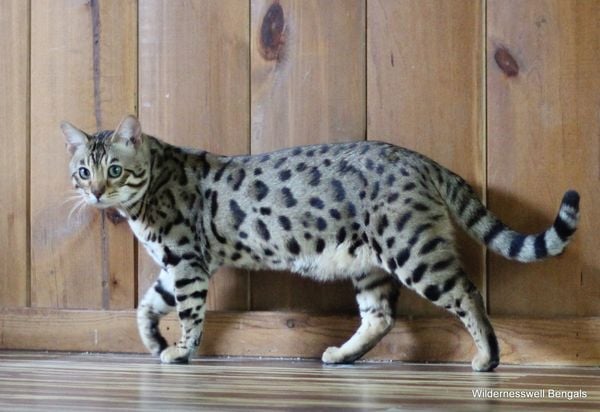
Above left is an F1 hybrid female. She is the great great grandmother of the cat on the right on both sides of the pedigree. While some changes are evident, the F1 still shines through in the face of her great great granddaughter.
Establishing a Population
 A population is a group of animals that breeds freely with one another in a particular area. In nature, this is a species population. As a population becomes separated from other groups of the same species, it develops adaptations to the specific environment, and these changes can push it towards being a subspecies. A subspecies is a variant from the original species that has some minor genetic changes but is still genetically similar enough to be considered a member of the same species. Over time and with further isolation, a subspecies can develop enough environmental adaptations and genetic mutations to become a separate species. In the wild, this takes a great deal of time and many generations to occur. Sometimes this process is accelerated when a population becomes dramatically isolated, such as when a peninsula becomes separated into an island. At that point, the genetic pool in the population is all that is available to work with. The individuals who are best adapted to the environment raise more offspring; over time, their genetics increase within the population. Related individuals with the same successful genetic adaptations will produce offspring until an identifiable genetic population is established. This causes a high expression of the genes that made the originals better suited. Eventually, these genes are found throughout the entire population. This is natural linebreeding, but in nature, selective pressures such as disease, weather conditions, competition for resources, and predators remove most animals that are not healthy or strong enough to continue the line.
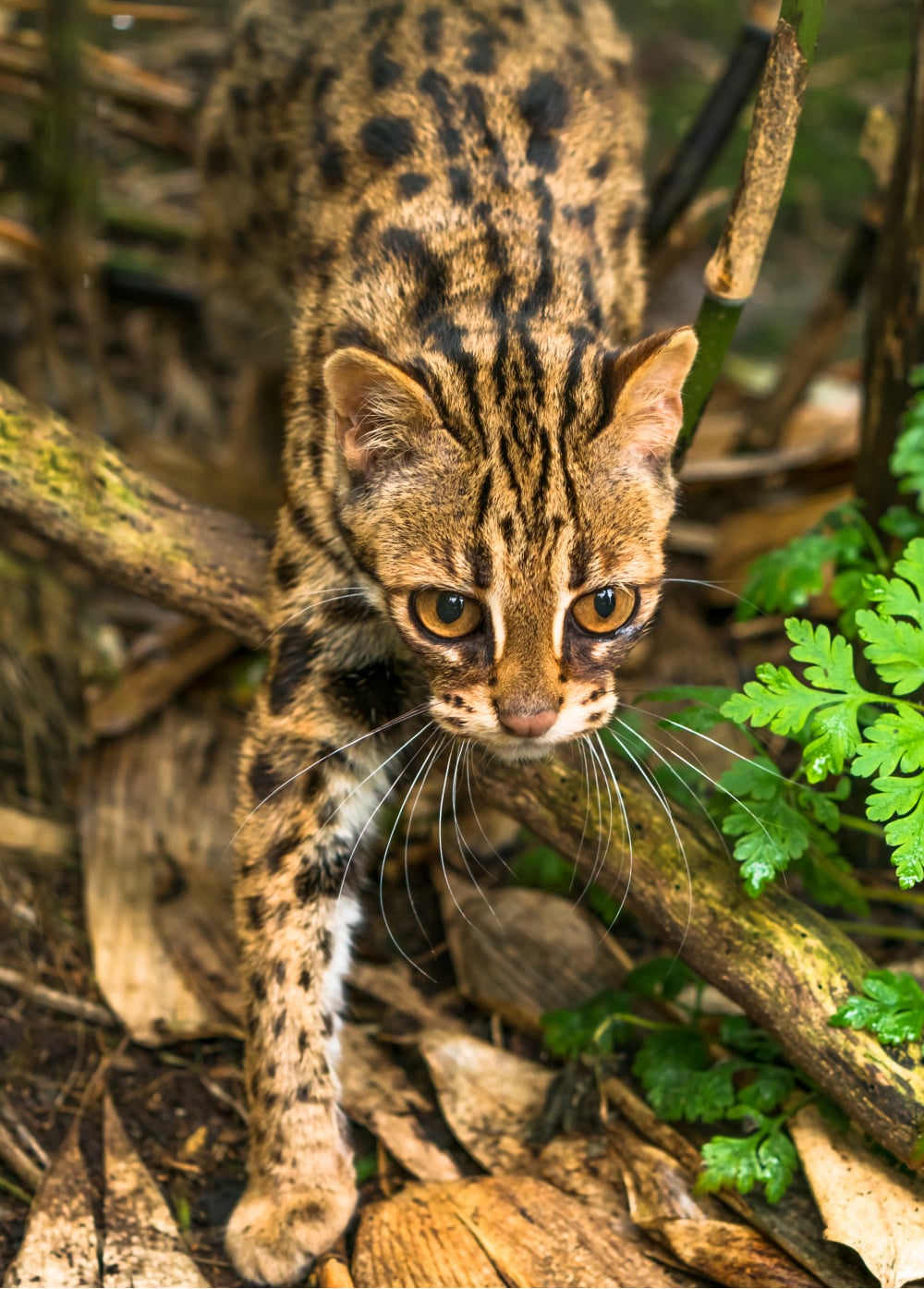
The picture above shows a leopard cat in the wild – Prionailurus bengalensis. Leopard cats occur over a vast area throughout Asia. Populations have diverged to adapt to the different environments they live in. Until recently there were more than 10 recognized subspecies. More recent genetic analysis has found that there are only 2 mainland subspecies – Prionailurus bengalensis bengalensis and Prionailurus bengalensis euptilura. The leopard cats found on Indonesia’s islands now represent a separate species known as the Sunda leopard cat – Prionailurus javanensis. This shows how a small population that has been separated from the mainland population has genetically diverged to the point of becoming a separate species.
In a captive situation, we have mimicked the process of developing a population by keeping groups of cats separate and selecting pairings that are put together to establish a type, which develops into a breed over time. Starting with the typical domestic cat, selective breeding has allowed many separate populations to develop into breeds. Some breeds, such as the Norwegian Forest Cat or Maine Coon, are naturally forming breeds. They are domestic cats that adapted to the environmental pressures of their area and developed traits that made them better adapted and different from other domestic cat populations. Each breed has a gene pool with a degree of shared genetic material that allows certain traits to display and make that breed identifiable. While nature pushes animals to adapt to survive and reproduce in their specific environmental conditions, selective breeding in captivity pushes changes that fit the goals of the particular breeding program.
A breed cannot be formed without some linebreeding. Creating a distinct population that replicates its look from one generation to the next for multiple generations is how we develop a breed. The linebreeding used in the process establishes a recognizable breed gene pool. This breed-specific gene pool is how companies such as Wisdom and Embark can identify different breeds.
Understanding Homozygosity and Heterozygosity
Inbreeding and linebreeding are effective in establishing a particular look in a population by increasing the homozygosity of that population. Our genes are located in our chromosomes. We inherit one version of each gene – known as an allele – from each parent. When two copies of the same allele are inherited this is known as being homozygous for that gene. If a different allele is inherited from each parent, then the individual is heterozygous for that gene. The reason that most complex lifeforms on the planet reproduce sexually is to keep a high level of heterozygosity. Each parent can have variations in the genes they carry for each trait. When paired together, one of these genes is passed from each parent which allows for a different genetic shuffle for each of the offspring. When a population is isolated, there are a limited number of alleles for each trait. In a large wild population, animals tend to have a high degree of heterozygosity. This heterozygosity is healthy for the population as options are available, so if a particular allele becomes associated with a disease, there are still healthy allele variants that can pass on and keep the population healthy and strong. As populations become isolated or closed off, there is an increase in homozygosity. Over time this can be very harmful and lead to a higher susceptibility to illness. However, in some circumstances, especially under natural selection, homozygosity can work, and as long as the healthiest alleles become the established ones, it can strengthen a population.
An Interesting Case of Natural Selection
If you ever have the chance to visit Northern England, I highly recommend visiting the Chillingham Wild Cattle at Chillingham Castle. This herd of cattle represents a remarkable survival story that shows that inbreeding can work well when left to natural selection.
The Chillingham cattle are an ancient type of early domestic cattle that predate modern domestic cattle breeds. Their ancestors roamed wild in the forests of Britain and lived off the land like a wild species. Over 700 years ago, a large group of these cattle were isolated on the grounds of Chillingham Castle, and since that point they have had no genetic addition from outside bloodlines. In 1947, a severely cold winter took a heavy toll on the herd bringing the total number down to just 13 individuals. Of these 13, only 8 were females. Of the five bulls, only one is believed to have been fit enough to continue breeding. While the herd lived wild on the estate, they were provided with hay to support their recovery across the harsh 1947 winter, and that same winter practice has continued to this day. In the herd, only one breeding bull occurs at a time. He will fight for the prime position and then drive the other bulls to the outskirts of the herd. This means that for one or more seasons, most or all calves born were the offspring of one male. The dominant bull that survived the winter of 1947 ended up being the dominant herd bull for three more years. When the dominant bull was overthrown by one of his sons, it meant that most breeding in the herd was between animals that were at least half-siblings.
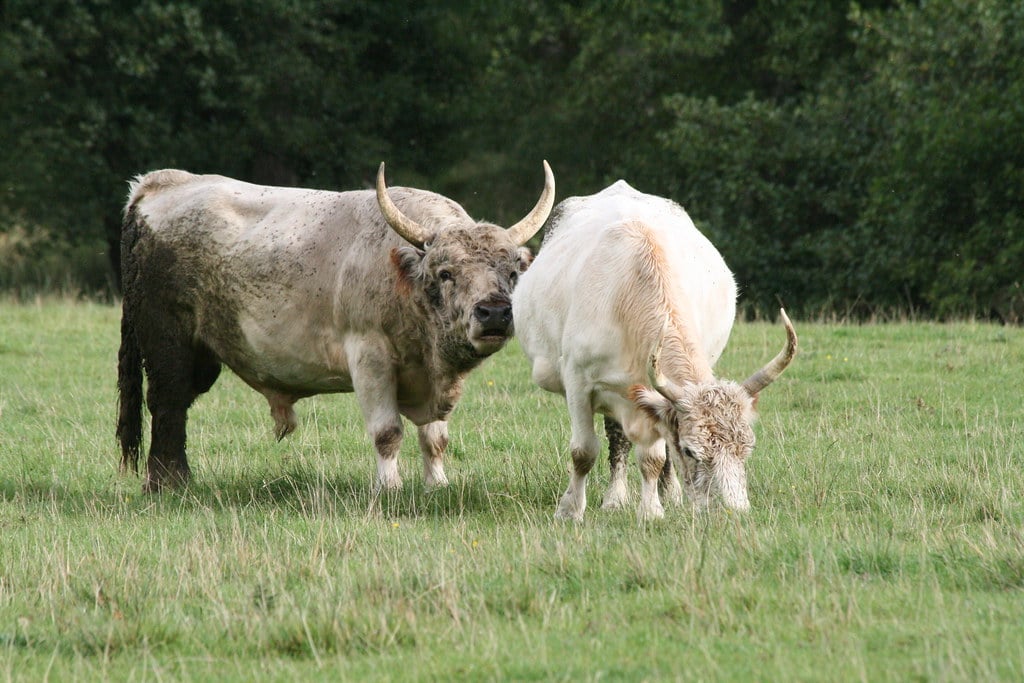 The herd now numbers around 100 individuals at Chillingham castle. Genetic analysis of the herd has found them incredibly low in genetic diversity. They are verging on genetic clones, having only minor genetic variations between individuals. The team studying their genetics wanted to look at the genes responsible for disease resistance. They found that the cattle have almost no genetic variation in the areas associated with immune response. Usually, this would increase the mortality rate, but this has not been the case. This could be because the genetic isolation has meant that they have naturally weeded out the most susceptible genes that allow the development of the diseases in the area, or it could be that their isolation from other cattle has protected them from exposure to disease. This is potentially very risky, so to protect the rare genetics of these cattle, a satellite herd was established in Northern Scotland as a safety net. Having a separate group far away from the original population means that if the main herd was to become infected with something in the future and have a mass die-off, there are still individuals out there to bring them back.
The Chillingham cattle demonstrate that inbreeding can work well if the selective process is natural. The harshness of changing seasons, finding food, surviving predators, and disease all work together to weed out animals that are not genetically suitable to continue the
lineage. Man-made selection tends to push for physical traits that serve our goals, but nature selects for the best survivors – those that can best adapt to their environment. We must try to mimic nature to get the best out of inbreeding or linebreeding.
Popular Sire Syndrome
Popular sire syndrome is a term you may have heard in the past. This is when an individual is deemed of good quality for one reason or another (multiple show-wins, exemplary structure, new and desirable traits, so many of the offspring go into breeding programs. Soon, many offspring are creating their own offspring, and these individuals spread many of the same genes around. Within a few generations, many of these related individuals descended from the original “popular sire” are then bred together, magnifying the original individual’s genes in the population. This seems fine until a case where an unknown and harmful recessive gene mutation is present in the original popular sire, and suddenly the ancestors start putting this together to make homozygous offspring. At this point, babies are born with issues that seem out of the blue, and it can take some time to identify the individual with the original mutated gene that the problem stems from.
I’m going to talk about cattle again here. The reason for this is that I can share a particular example of popular sire syndrome and the extremely negative effect it can bring.
In 1977, an Angus bull was born in the US, and was deemed very high quality. Because of his desirable qualities, he was used as an artificial insemination bull. His semen was transported worldwide, and his genetics became established in many herds globally. At the time, nobody knew that he carried a gene for a condition later named Developmental Duplication. This had not been seen before, and it took a while before the effects started to appear. The condition is an autosomal recessive trait. This means that it is not carried on a sex chromosome, so both genders are affected in the same way, and an affected animal must carry two copies of the gene – one from each parent. It took over 15 years for the full impact of this bull’s genetics to show up. A few anomalies appeared over the years, but the real impact showed when a fifth-generation descendant of the original bull became another popular sire in 1990 in Australia. Again, his semen was sent globally, and now the affected gene was able to come in contact with other descendants of the original popular sire. Calves who inherited a copy from each parent were born with an array of defects, the most common being extra limbs on the body in unusual locations. Calves with legs sticking out of their backs or heads, two heads, additional tails, two spines, and many other oddities appeared in abundance. The condition started showing up in herds worldwide at around the same time. A DNA test was eventually developed, and carriers could then be identified. Still, the condition had gone global. Like many recessive conditions in pedigree animals, it is not straightforward or wise to eliminate all carriers as this can risk a genetic bottleneck that increases the risk of other recessive anomalies showing up. Again, it is wise to note that it took over 15 years and five generations for the full impact of the original popular sire’s faulty gene to show up. Even with the shorter maturation time and short gestation period of cats, it could take 5-10 years to see the impact of popular sire syndrome. This demonstrates how dangerous popular sire syndrome is and how quickly linebreeding – even more distant linebreeding – can go wrong and have lasting effects.
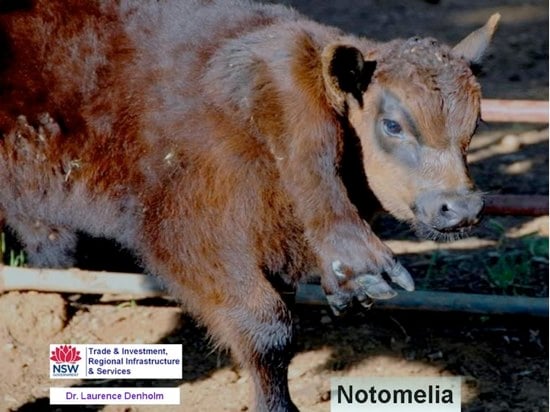
The above image is an Angus calf with Developmental Duplication. This shows the additional limbs that can appear due to having two copies of the affected gene. You can learn more about this condition and see more pictures at – http://www.flockandherd.net.au/cattle/reader/developmental-duplication-angus.html
Please note that some of the pictures are quite graphic and not something to look at if you are squeamish.
Inbreeding Depression
Inbreeding depression is the decrease of vigor seen after a few generations of breeding between close relatives. Inbreeding depression can manifest as a population’s lower offspring survival rate, shorter lifespan, or lower fertility. Individuals can display stunted growth and an overall lack of vitality. This happens due to increased homozygosity across multiple genes within the individual. The animal is less genetically diverse, which exposes harmful recessive alleles, making it more susceptible to illness and environmental conditions.
Stillbirths can be a sign of inbreeding depression. In the non-pedigree world, stillbirths only make up about 4% of kittens born. ”Generally pedigree cats have higher levels of kitten death than non-pedigrees. In one large study of pedigree cats, around 7% of kittens were still-born” (“Kitten deaths (Fading Kittens)”). With first degree inbreeding, this increases the risk of stillbirths and congenital defects further. The closer the relatives and the more generations of inbreeding used, the higher the risk of birth issues.
Inbreeding depression can also reduce overall fertility. “In 1982 Wildt et al. compared an inbred group of Foxhounds with a not inbred group and found lower conception rate, smaller litter size as well as smaller number of sperms in the inbred group. Motility of sperms and ejaculate volume as well as volume of the testes also was different between the two groups although failing the significance limit” (Sommerfeld). This effect on fertility has been found across many species and is something to consider when low litter sizes occur repeatedly.
Genetic Bottleneck
Also referred to as a population bottleneck, this is when a population experiences a reduction in numbers resulting in a limited amount of genetic diversity within the remaining population. In nature, this happens after natural disasters, or when a disease sweeps through a population, killing off many individuals. In pedigree animals, this often occurs after a genetic condition is found in a section of the breed or when a desirable trait is developed and people bring in animals from that bloodline incorporating them into what they already had, much in the way of popular sire syndrome. Genetic bottlenecks should be avoided wherever possible. We live in a time when genetic testing is available for many health conditions. The primary conditions we can test for in the Bengal breed are Pyruvate Kinase Deficiency and a Bengal-specific form of Progressive Retinal Atrophy. We are lucky that both of these conditions are autosomal recessives so carriers are safe to use in breeding programs if only paired with mates who do not carry the condition. With the testing we have available, it is easy to identify carriers of conditions and plan matings accordingly to avoid producing affected kittens. One of the biggest mistakes we can make when a recessive disease is discovered is to eliminate carriers from the gene pool. Doing so creates a massive genetic bottleneck. The cats carrying one copy of the affected gene also have a variety of other healthy genes that can be inadvertently reduced or eliminated in the process of removing the one specific gene that was intended to be removed. When it comes to autosomal recessive health issues, identifying the carriers and carefully selecting pairings is the best way to move forward while maintaining a healthy and diverse population and avoiding a genetic bottleneck.
Genetic Drift
Genetic drift occurs when populations are split for an extended period of time. Genetic drift frequently happens in nature after a genetic bottleneck. Take one larger population and separate it into different groups for many years. There will be genetic drift as some genes from the original population may be lost while others are overrepresented in the new smaller group. This is not something that is selected for, and it happens naturally over time in both wild populations and pedigree breeding programs.
Imagine a large colony of feral cats as an example to explain genetic drift. All of the cats are brown tabbies and carry for solid black. Their genetics are therefore A/a. When two cats with this genetic lineup breed, statistically speaking, a litter of four should on average produce one kitten who is A/A (brown tabby), two that are A/a (brown tabby carrying solid black), and one that is a/a (solid black). While this is the statistical average to expect from the pairing, any long-term breeder will know that the ratio of these combinations is not always quite what we would hope.
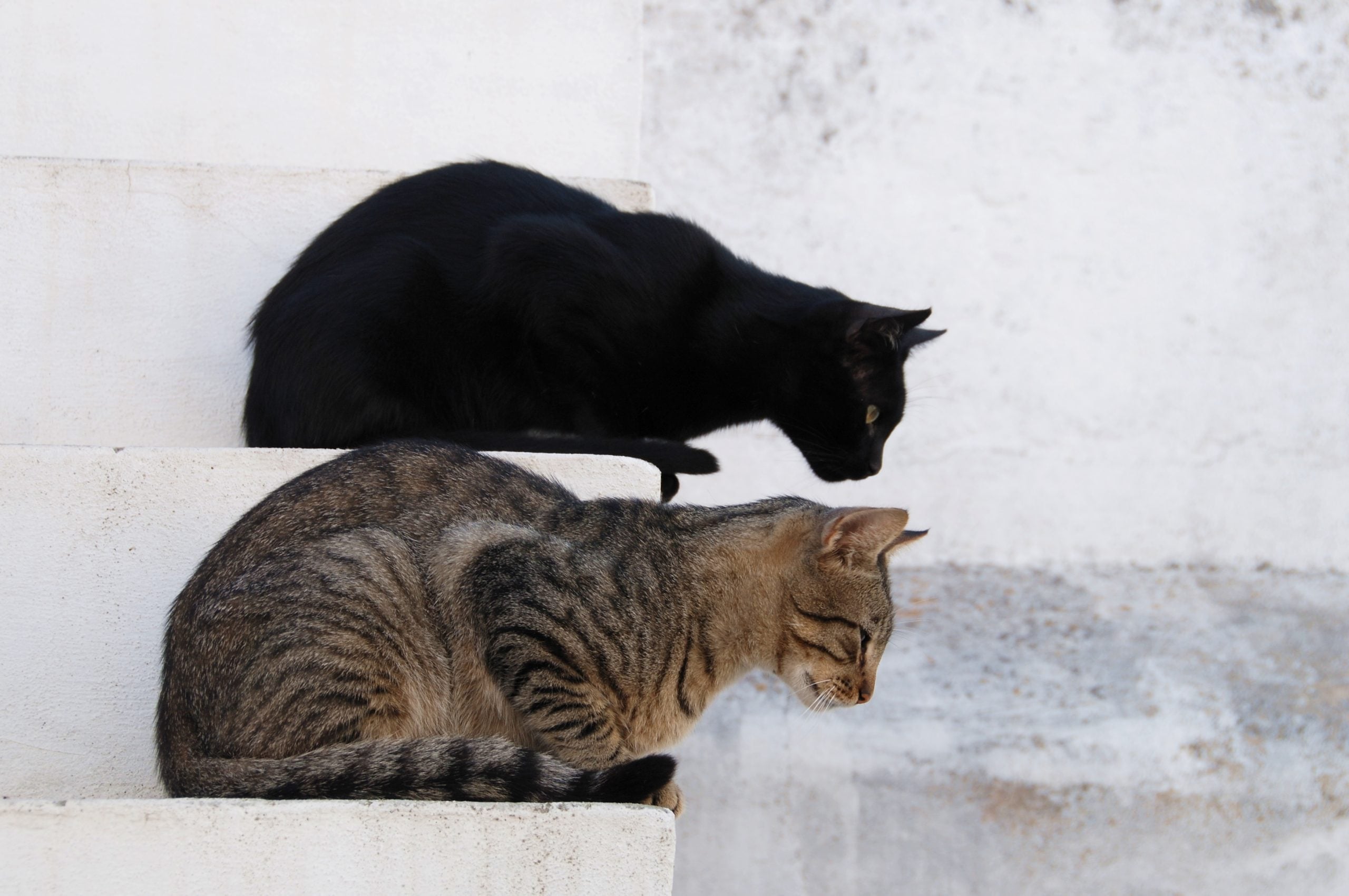 If you split this large colony into multiple smaller groups, you would expect 75% of the cats to be brown tabby and 25% to be solid black over a period of time. However, the success of some individuals in each population can skew the results. If a solid black male were born in one of the groups and took over as the dominant male, he would pass that gene on to all of his offspring. Within a few years, this would mean a high number of solid black cats would exist in this population. If, on the other hand, a brown tabby A/A male was dominant in another group then he would never be contributing the genes for solid black, and a reduction of this gene would happen in the population. Over multiple generations, genes may be lost entirely or completely take over in a population through this method. This is a basic example of how genetic drift works.
While genetic drift might seem irrelevant in the overall topic of linebreeding and inbreeding, it is at play all the time in our breed. The effects of genetic drift can be used to our advantage to add in genetic diversity. For decades there have been programs that lean towards more flashy coated cats and programs that lean towards more typey cats. Some breeders try to combine these two looks, bringing genetic diversity. Programs that have selected for coat traits for many generations will have experienced genetic drift in a different direction from programs that have selected for type. While the breed is still the same, there will be considerable genetic drift, and combining these two looks can improve genetic diversity. When looking to bring in genetic diversity, don’t be afraid to step outside your comfort zone and bring in a different look. The genetic health benefits can be very much worthwhile. Just be sure to find a cat with some traits you want in your next generation. Also, be willing to bring in cats from far away from your local area. Certain bloodlines tend to become established in an area, and the same genetics are then in circulation. While some lines are widespread worldwide, some lines are less well represented. As long as the breeders are health testing, these rarer lines, even those with linebreeding within them, are a goldmine of genetic drift that can push your diversity way up.
Outcrossing
Outcrossing is the process of breeding to an individual that is not closely related to the main breeding population. Within a breed, this is the selection of an individual from a different lineage but still part of the breed. When inbreeding is chosen as the route of breeding in a program, bringing in another line every two to three generations can reduce the effects of inbreeding depression as they add heterozygosity to the offspring.
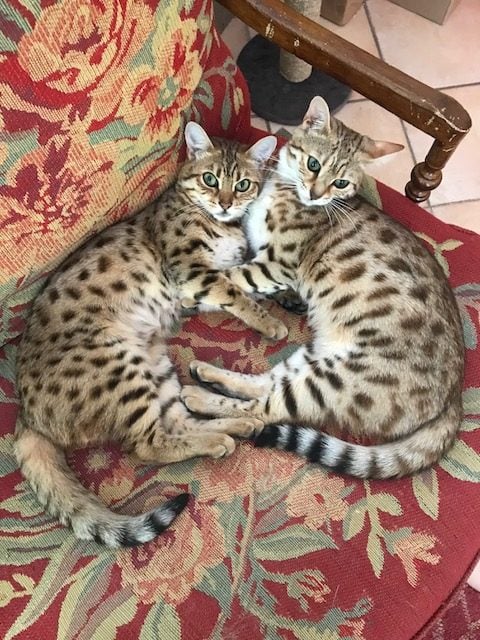 Outcrossing can also be done at a higher level by doing so outside of the breed. This is when a member of a different breed or a non-pedigree animal is brought into a pedigree line. Individuals from other breeds can add even more genetic diversity to a program. However, careful selection must be used to breed back to the desired look as a different breed will not match the desired goals of the original breed in every way. A non-pedigree animal can add even more diversity but again requires careful selection to breed away from undesired traits that are introduced simultaneously.
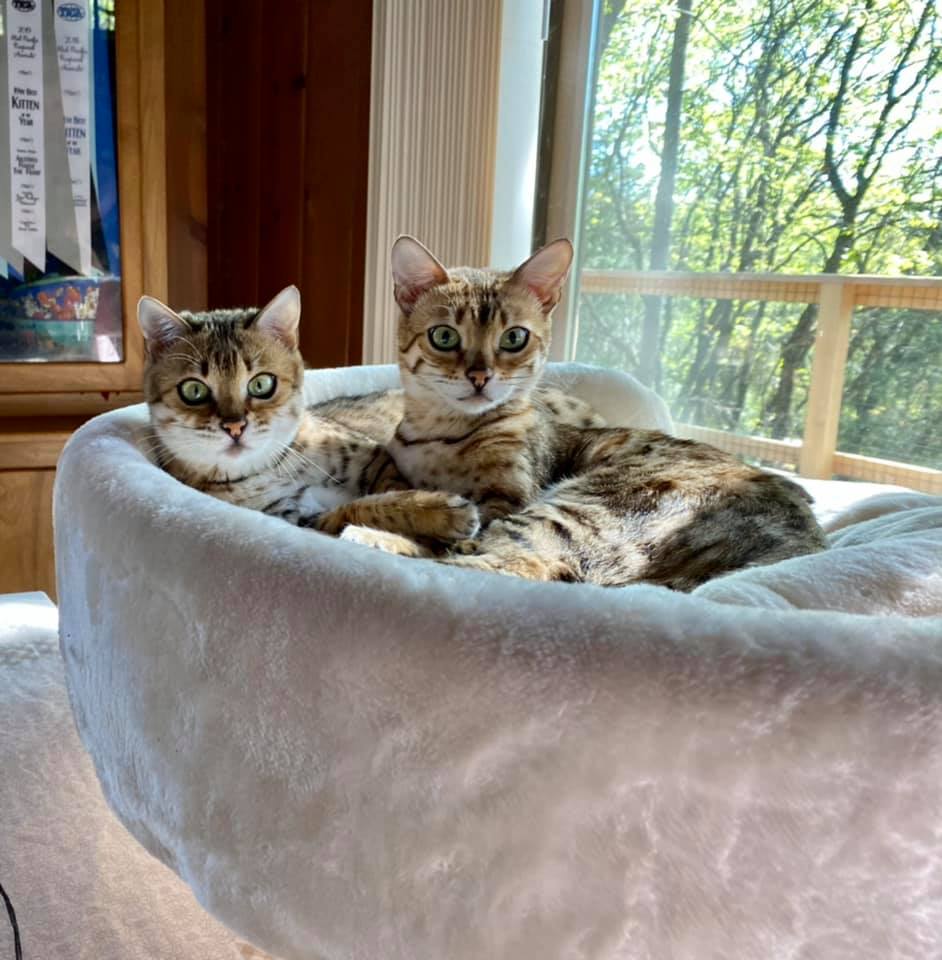
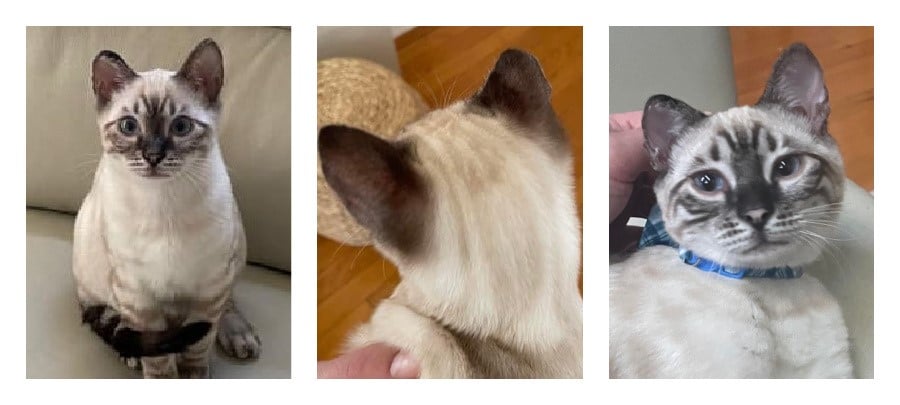
On the left are two females from a breed outcross. Their mother is a cross between a Bengal and an Exotic Shorthair. She was bred back to a Bengal male, and the Bengal influence in their offspring is already very visible.
In the Bengal breed, we also have species outcrossing. This means bringing in genetics from the leopard cat. This adds more diversity again but requires careful selection for desired behavioral traits.
Whatever form of outcrossing is used, it is wise to plan on keeping genetic diversity high within your program. Higher genetic diversity will increase health and disease resistance. You can test the genetic diversity in your cats by submitting a DNA sample to Wisdom Panel. This allows you to accurately see the genetic diversity in each cat as an individual and how that compares to the average genetic diversity within the breed.
What Does All Of This Mean For Breeders?
If you are new to breeding or unsure whether inbreeding or linebreeding is right for you, it is best to avoid doing it. Inbreeding and linebreeding can be incredibly useful tools when used with a focused goal and with lines that have been thoroughly tested, preferably where the common ancestor is older and has had a chance to show any conditions that don’t show up straight away. Breeders with a thorough understanding of the pedigree can make huge strides in their program through linebreeding or inbreeding, but mistakes can happen. With closely related animals, those mistakes can have more significant consequences. Even with experience, you must be aware of the health of any cat you choose to linebreed or inbreed on. You must have an intimate knowledge of the health and structure of this cat, and be aware of any flaws present in that cat, or its close relatives, that would require corrections.
Heart Health
As with many pedigree breeds, as well as the non-pedigree cat population, Bengals can develop heart disease. The type we hear about most frequently and that has the most significant impact on our breed is Hypertrophic Cardiomyopathy (HCM). HCM is a genetic condition, although the exact mode of inheritance is not fully understood in Bengals yet. It is most likely to be a dominant gene with incomplete penetrance. This means that only one copy of the responsible gene is needed for a Bengal to be affected, but not every cat with the gene will show obvious signs of heart disease. Currently, our only accurate way to identify HCM is through an echocardiogram with a veterinary cardiologist. HCM can develop at any time in a Bengal’s life, but most cases start to show some development between two and six years of age. Some Bengals show changes and even advanced disease before their first birthday, and sometimes late onset individuals don’t show signs until their senior years.
With the genes for HCM in Bengals not yet identified, we must try our best to identify affected cats through regular heart screening with a veterinary cardiologist. Affected cats should not be bred, and keeping diversity in your breeding program is important. Knowing the heart history of the cats in your program and their close relatives is extremely important. If you do not heart test your cats, PLEASE DO NOT LINEBREED OR INBREED. If you are buying a cat from a cattery that uses linebreeding and inbreeding, ask to see heart reports for both parents. Also, ask to see reports of all four grandparents, and place emphasis on the cat that has been inbred on (for example, if the same male is the grandfather on both sides of the pedigree). The age at which the cats were tested is helpful as cats that are only tested once as young adults (under six years) may not have exhibited any changes yet, but could develop the disease later. Older tested cats give more likelihood of safety, although there is never any certainty. If the breeder you are considering buying from uses linebreeding or inbreeding and does not heart test, please do not take the risk. Explain your reasoning and find another breeder who tests. The age-old phrase “there is no HCM in these lines” is just an excuse to avoid testing. Take it from someone who has fallen for this early on and don’t learn the lesson the hard way. Only an echocardiogram can tell the heart’s health for sure. Just like breeders who breed diverse lines, breeders who choose to breed closely related cats together owe it to the kittens they produce to ensure that they are only pairing the safest and healthiest cats together.
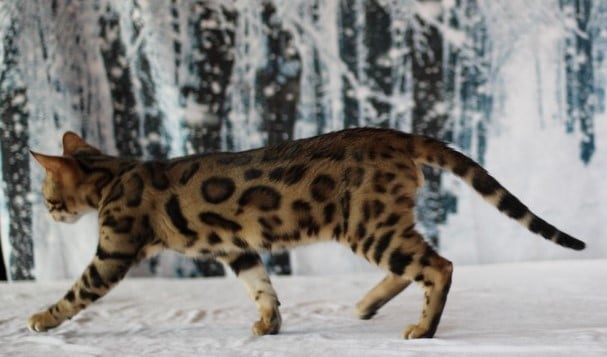
Pictured above is an inbred male we brought into our program in 2017. He had a male and female pairing in his pedigree that repeated 3 times in 3 generations. We knew there was a risk, but we trusted what the breeder told us. Sadly, when he arrived with us, it was clear that he should not have been sold for breeding. He was cow-hocked and had mild pectus excavatum (the base of the sternum is inverted), prominent pectus carinatum (the top of the sternum protrudes out towards the front), and a very poor immune system. We chose to neuter this boy due to the multitude of structural flaws. It was a blessing in disguise that he had these structural flaws as he was diagnosed with severe HCM at 18 months, and despite being on strong medications, he died of HCM a few weeks before his second birthday.
HCM Research
HCM research is jumping forward, and two teams are working on identifying genetics that cause HCM in cats.
One team performing research on HCM in Bengals is led by Kathryn Meurs, DVM, Ph.D. Diplomate ACVIM at North Carolina State Veterinary Hospital. If you have a Bengal that has been diagnosed with HCM, please consider submitting a DNA sample to this study. Submission instructions can be found here – https://cvm.ncsu.edu/wp-content/uploads/2016/10/Genetics-Bengal-Cat-Hypertrophic-Cardiomyopathy-Study.pdf You can also reach out to me directly with questions.
Thomas Smedley and Jade Raffle lead the other team working on identifying genes for HCM in all cats at the Royal Veterinary College of London. They are interested in pedigree and non-pedigree cats, so if you have a cat of any breed or mix that is affected by HCM, please consider submitting a DNA sample. They would also like samples from cats with a normal echocardiogram at the age of 9 or over. This allows them to compare the genes of cats that are past the high-risk age for developing HCM. Again, this is open to any cats, but if we can get a large number of heart-healthy 9-year-old or older Bengals and HCM positive Bengals, then we stand a good chance of finding at least one gene that may help us move towards a healthier breed. Please contact me at health@tibcs.com for submission instructions. If you are in the US or Canada, I can also send you the sample swabs for submission to this study.
If we all work together, we can help these teams find the genes that cause HCM in our beautiful breed. Let’s get those samples sent in!
Works Cited
“Kitten deaths (Fading Kittens).” International Cat Care, International Cat Care, 20 August 2018, https://icatcare.org/advice/kitten-deaths-fading-kittens/. Accessed 24 July 2022.
Sommerfeld, Irene. “Infertility and Inbreeding: How Veterinarians Should Tell What Breeders Do Not Want To Hear – WSAVA2006.” VIN, World Small Animal Veterinary Association World Congress, https://www.vin.com/apputil/content/defaultadv1.aspx?pId=11223&meta=generic&catId=31441&id=3859259&ind=238&objTypeID=17. Accessed 24 July 2022.
“What do the terms inbreeding and linebreeding mean? – RSPCA Knowledgebase.” kb.rspca.org.au, 30 April 2019, https://kb.rspca.org.au/knowledge-base/what-do-the-terms-inbreeding-and-linebreeding-mean/. Accessed 11 June 2022.

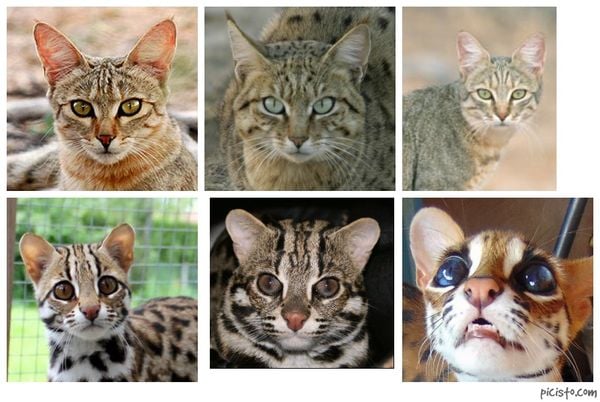
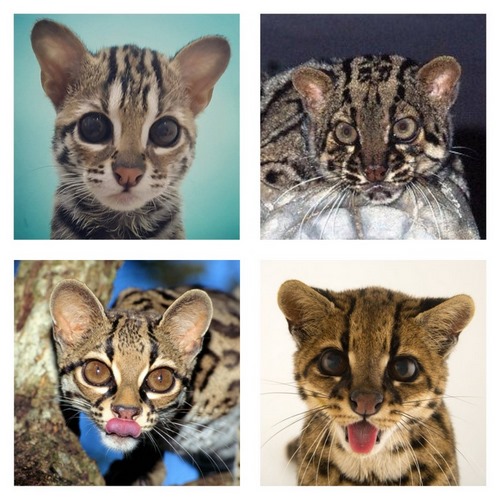
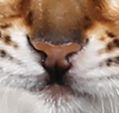 The shape of a forest dwelling wildcat’s nose is very distinct from the Felis cats, so this is a great aspect to emulate in the Bengal cat. To being with, look at the upper edge of the nose of the Asian leopard cats in the bottom row of the collage above. The small forest dwelling wildcats have a slight heart shape to the top line of the nose. It does not go straight across like the Felis cats.
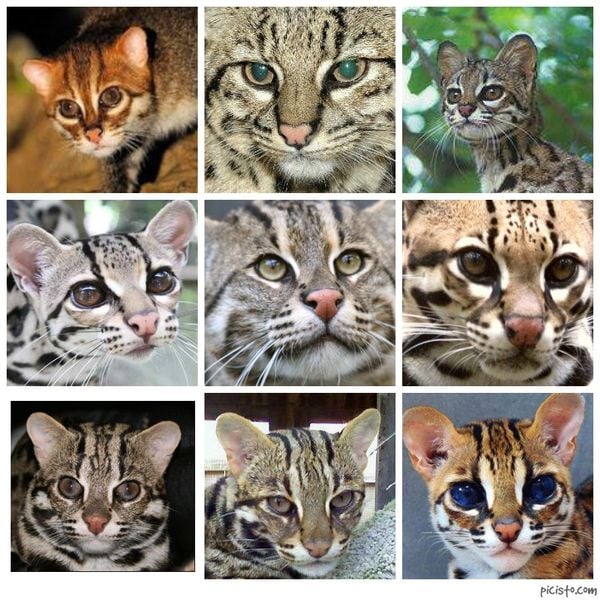 Above is a collage of a variety of small forest dwelling wildcats that live and hunt at night in the trees of jungles and forests. What dominant feature of the face stands out on all of them? That big, huge, puffy nose.
 The nose of the Bengal cat will likely never proportionately reach the size of the small forest dwelling wildcats, but it should still be a standout feature on the face.
  Finally, the absolute must have on a Bengal nose is a puffed nose leather. Most cat breeds have flat nose leather, so the puff of a Bengal’s nose leather is very distinct. The hair line should start back from the outer most surface of the nose, and the leather should wrap around the upper curve. If you look at the Ocelot in the center row, right column of the collage, it show the puffy nose leather the best. When viewing one of these wildcats in profile view, you will notice the nose leather actually puffs out beyond the chin. If you get a Bengal with correct nose set and nose leather, it will too.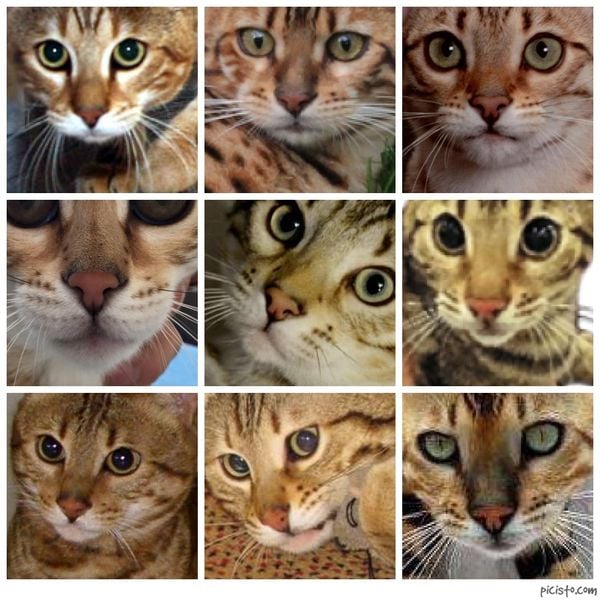

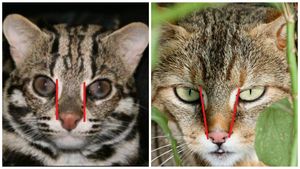
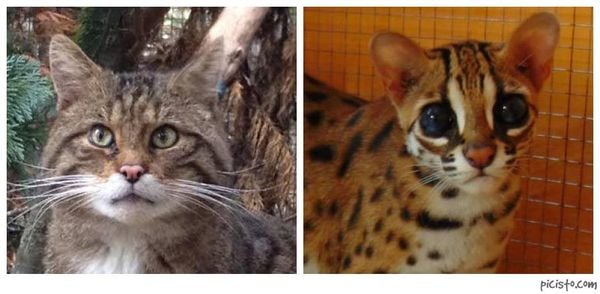 The Bengal Standard doesn’t say anything about where the nose should be set, but a study of small forest dwelling wildcats leads to only one answer – the nose should set low in between the whisker pads – not above them. In the collage above, there is a Scottish Wildcat on the left and an Asian Leopard cat on the right. Notice the whisker pads are below the nose of the Scottish Wildcat. The nose sits on top of them. In contrast, the nose of the Asian Leopard cat is set in between the whisker pads – they are positioned to the side of the nose.
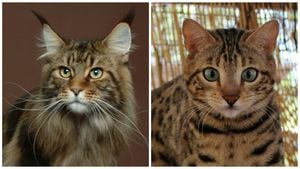 One thing to look for in looking for a low set nose is the amount of whisker pad that connects between the bottom of the nose and the lip. The more space you have here, the higher the nose set is. Look for noses that have very little connection of the whisker pads beneath them.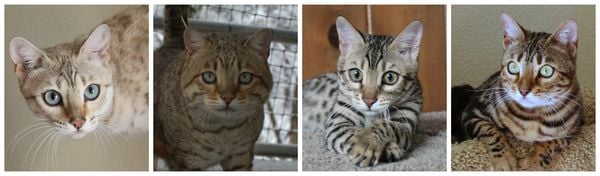


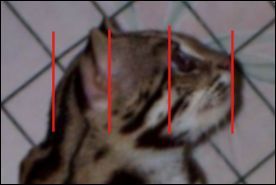 The middle third of the Rule of Thirds is likely the most difficult section to write about because in the middle third, it is more about what you do NOT want to appear there than what you do want to appear there. Notice in the picture of the ALC, the eyes are in the first third and the ears are in the last third. That is exactly as it should be, but it doesn’t leave any obvious facial feature for the middle third.
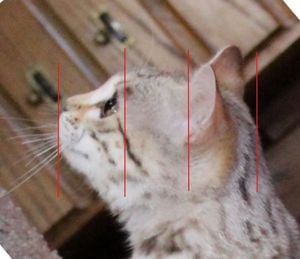 On this middle third, otherwise known as the forehead, you want to try to keep an even sweep to the skull from the nose bridge up over the head and into the back skull. If you look around at Bengal cat adults, you will often see a change of direction above the eyes as the forehead flattens out. This is something to avoid when trying to achieve the skull shape of the ALC. Some Bengals go the the extreme of having a dent in the skull here. It looks as if someone has taken their thumb and pushed the skull in above the eyes. This is not desirable.
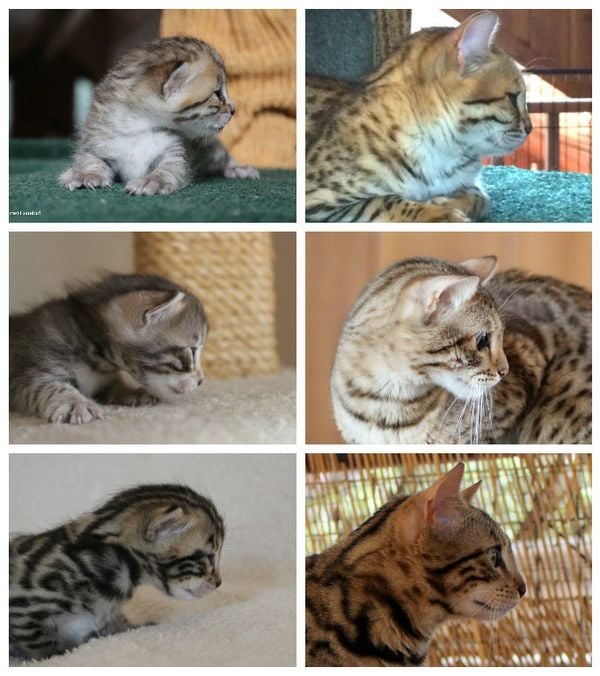 Instead, look for kitten who has a lot of forehead. Look for kittens whose forehead goes UP from a distance above the eyes and ears. Kittens who have exaggerated foreheads will develop into adult cats who have the correct, continuous roll over from the nose bridge all the way through to the back skull. They will not develop a change of direction or the dreaded thumbprint indent on the forehead.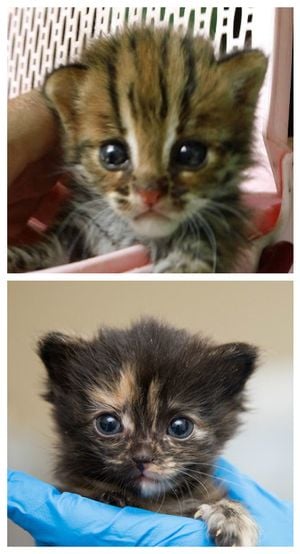

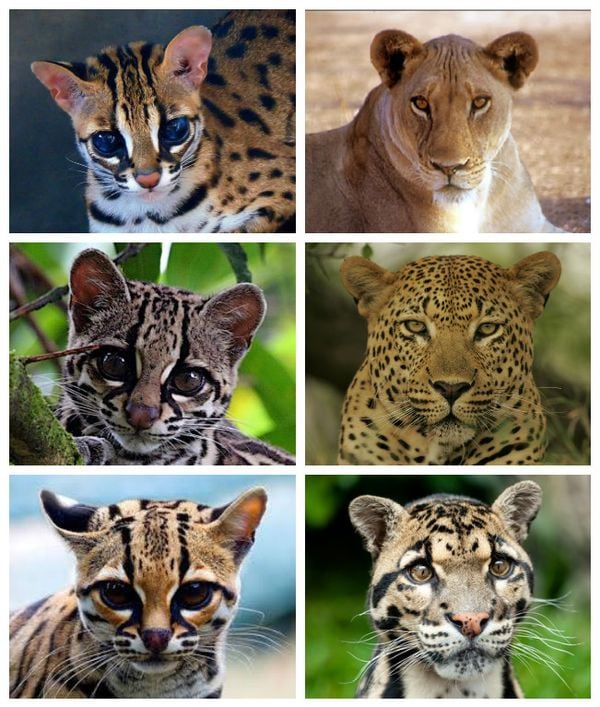 The first third of on the head of a small forest dwelling wildcat is the most important third of all. The front third of the head distinguishes this group of cats from all other wildcats on the planet.
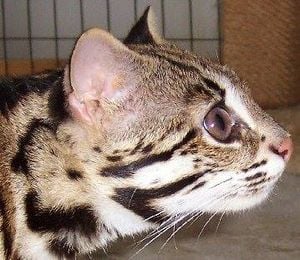
 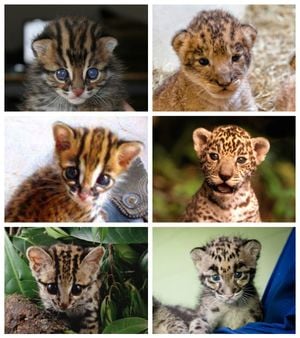 All of this background on prey size and muzzle length leads us to the front third of the Asian Leopard cat’s head. In profile view, notice the eyes are on the front third of the skull. If breeders want to emulate the look of the small wildcats, they must select for Bengals who have their eyes on the front third of the skull as well.

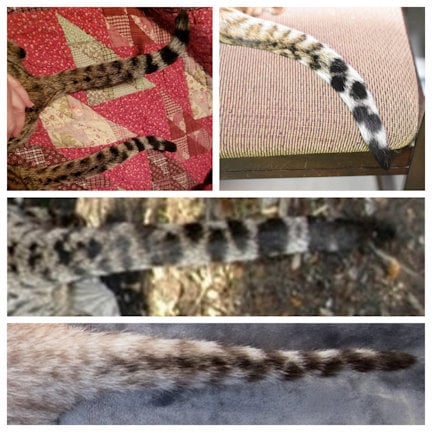 The Tail
 by M
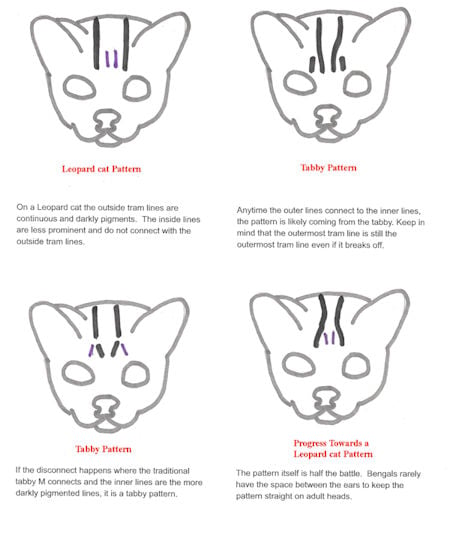
by M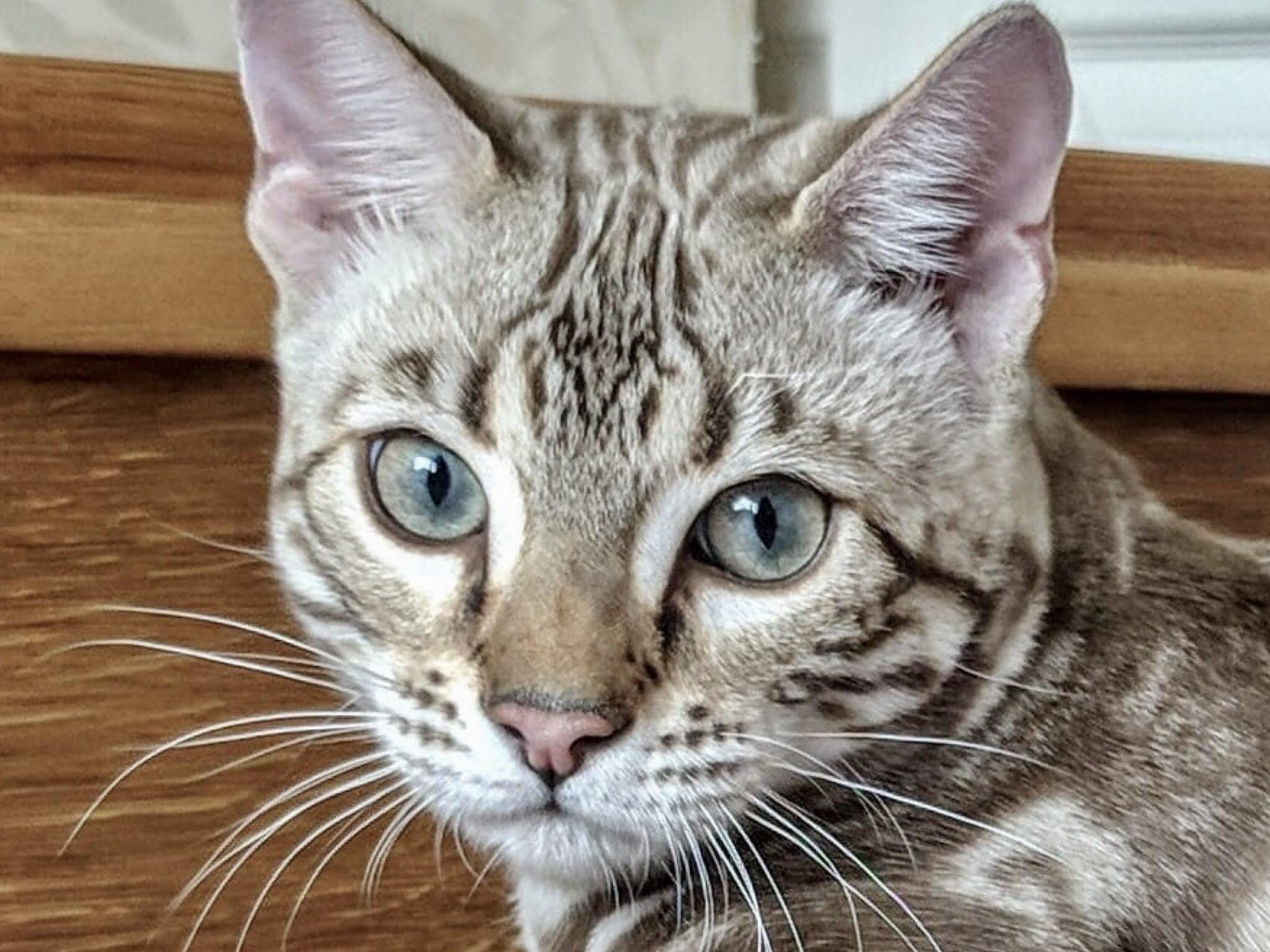 While Leopard cats, technically, display a form of tabby pattern, they do not have striped legs, ringed tails, and only rarely will one have a domestic tabby M on its forehead. One of the goals of the Bengal breed is to distinguish itself from all other domestic breeds. The breaking of these traditional domestic tabby patterns, which are revered in some of the other breeds, sets the Bengal apart. To work on pattern improvement is to break the domestic tabby patterns.

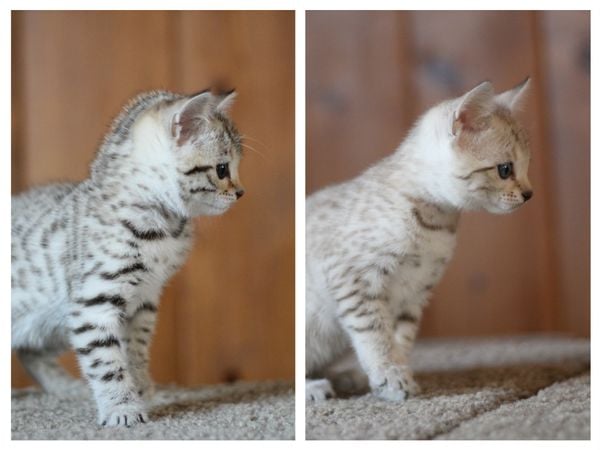
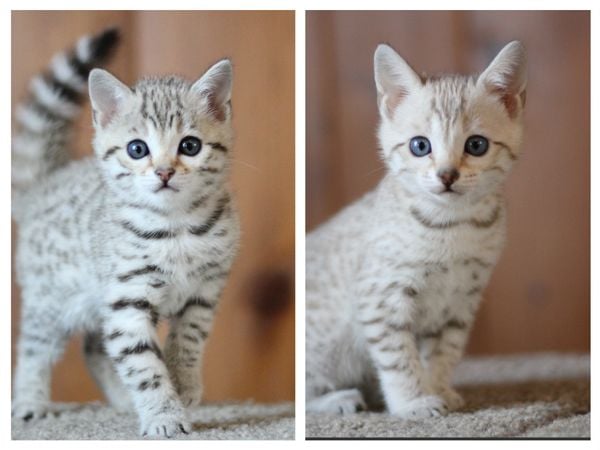




 I reached out to a friend who is a judge and asked how one would describe the shape of the eye that I would like to see on the Bengal, and she pointed me to the American Curl standard for some ideas. Bingo, I think they hit it – almost.
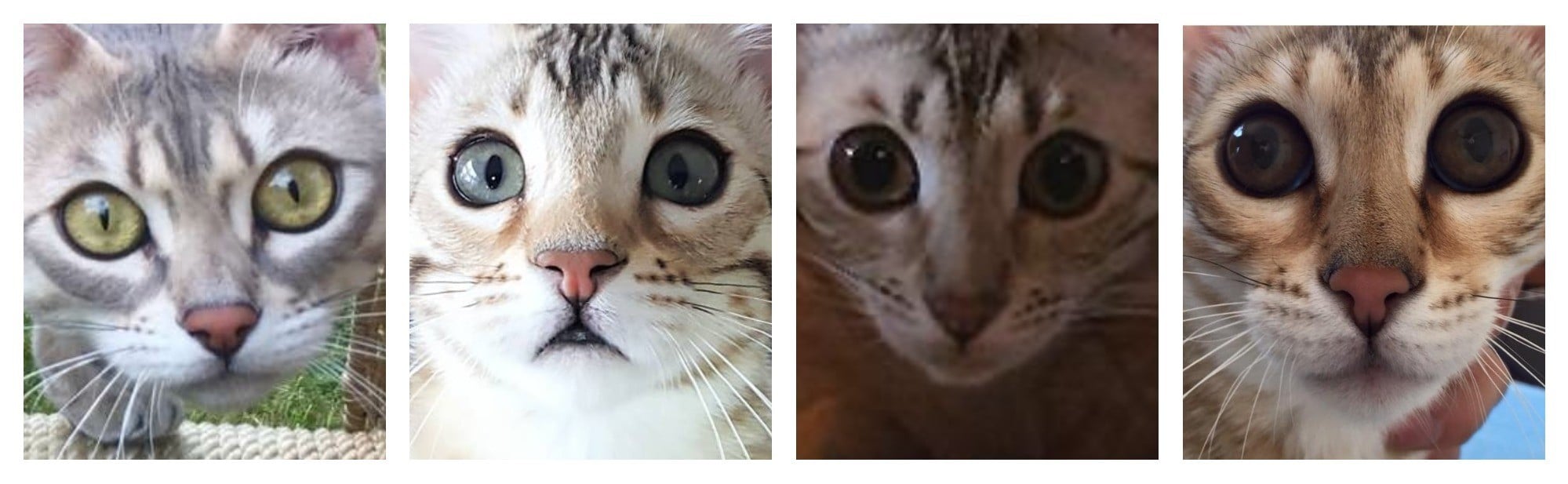
 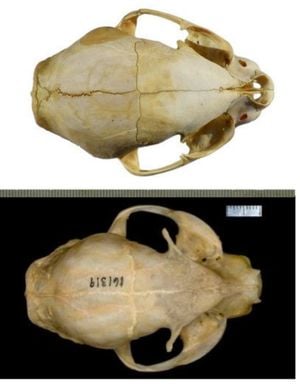 Standards need to account for the set of the eyes as well and this is where Bengal standards everywhere have an opportunity to clarify for breeders what a nocturnal set looks like. It is obvious by looking at the wildcat collage that the eyes of nocturnal cats are set to the outside edges of the face with approximately one eye width between them. Defining the width by the size of the eye would help Bengal breeders keep everything in the proper proportion. There seems to be a common understanding that Bengal eyes should be wide apart, but the proportion of width to eye size is off on many Bengals with the width being too wide and the eyes being too small. Clarifying the proportions could be an asset to kitten selection. This would also allow for the eye description to help guide the head width to be in accordance to other areas of the standard – particularly where it calls for the head to be longer than it is wide and slightly small in proportion to the body. It would be nice to start to see the different pieces of the standard working together instead of contradicting one another.
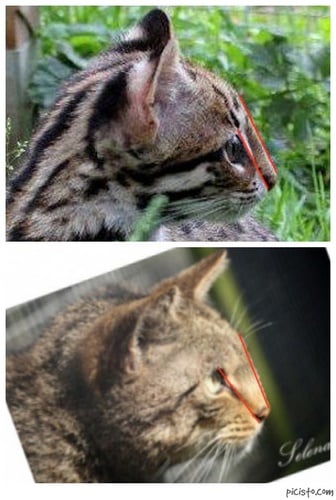 To have the nocturnal look, the Bengal eyes cannot be deeply set into the skull. The nose bridge should not extend out beyond the eye lens very far. This coincides with the need for a lot of surface area on the lens of the eye. A nocturnal eye must allow as much light to enter the eyeball as possible. Furthermore, the bottom of the eye is set further out than it is on the majority of cats making the angle of the eye parallel to the bridge of the nose if the cat has the desired downward turned muzzle that is shown on the Leopard cat in the picture. Even on cats who don’t have the downward turned muzzle, the eye should sit ever so slightly tilted upward. For all of this to exist, the Bengal needs the bone structure from the Leopard cat. If standards start to describe with clarity what a nocturnal eye looks like, breeders will have to start selecting the stronger bone structure. All choices have a domino effect, and this will have a positive domino effect.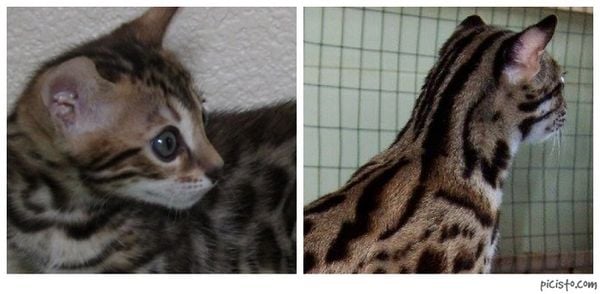

 For many years, it has appeared as if the top priority of breeders is to achieve small ears. Small ears are not very wild looking when they are triangular.
 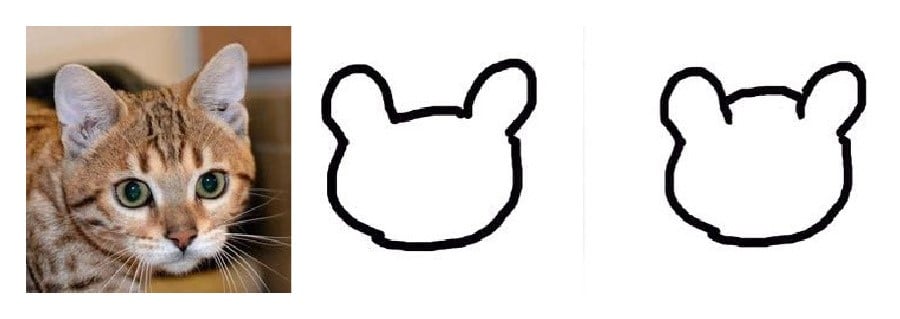 In addition to the forward tilt having an impact on the appearance of the size of the ear, where the ears sit on the head has an impact as well. The kitten collaged with the drawing has a fantastic shape, but the ears are too high on the head. If you move the ears down or add more top skulls, the same ears would “look” smaller. Now imagine not only moving the set down a tiny bit but also adding forward tilt; the ears would appear to be diminutive, even though their actual size would not change.
  When kittens are born, less than half of the ear flap is physically detached from the head. This is why newborn ears always look tiny. At this stage, there is very little active blood flow in the ear flap. Damage done to the ear flap at this time can easily go unnoticed due to lack of bleeding.
 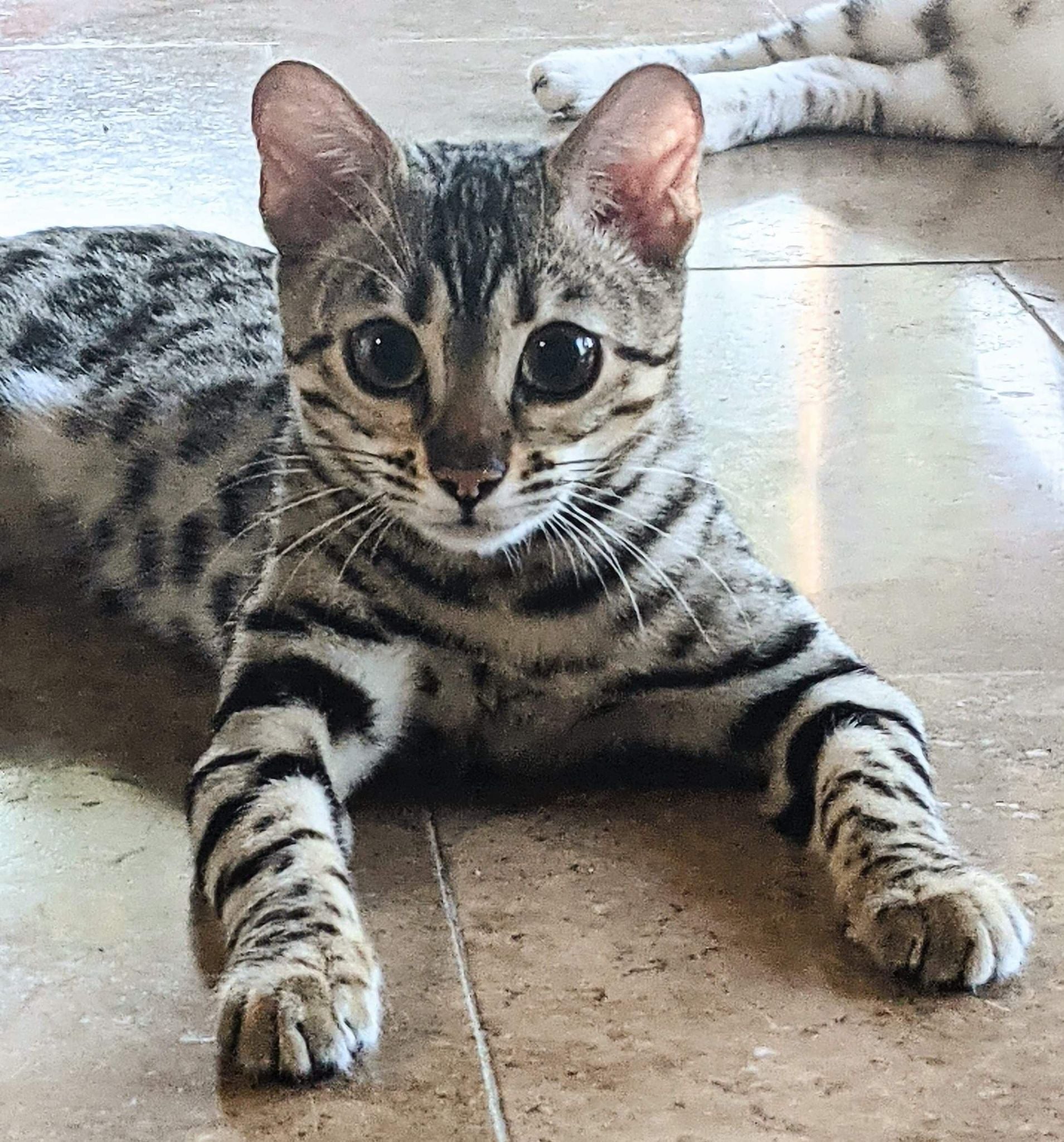 As breeders, sometimes we have to ask ourselves – what is the goal? Small? Or accurate? The Bengal will naturally go through phases in which the best ears do not appear small to get to the accurate ear. These cats will struggle in the show hall as the show hall, at the moment of publication, favors size over the shape and set. Most Bengal standards describe the size of the ears first. By having the size in the first place position in the description, it sends the message to judges that size is the most important aspect of the ear. Bengal breeders may consider discussing with their breed committees and breed chairs whether reorganizing the ear description could assist in the show hall, encouraging breeders to focus more on the shape and set and less on size. We need to get to the point where judges mention the shape of ears, such as these on Lots Of Spots Rayne Dancer; more often than not, they mention size.