Choosing a Bengal breeder should be about more than finding a beautiful kitten. The breeder you choose is responsible for the generations of decisions behind that kitten—health, genetic diversity, temperament, socialization, and how the kitten is raised.
Quality Bengal Kittens is a Northern California Bengal breeder established in 1999. Our breeding program is built around four priorities: health, genetic diversity, temperament, and preserving the wild appearance and personality that make the Bengal unique. We repeatedly health test our breeding cats, follow health and temperament through generations, work to preserve genetic diversity, and raise our kittens in our home as part of everyday family life.
Our responsibility does not end when a kitten leaves our house. Our kittens have a five-year genetic and congenital health guarantee, and our buyers receive continued education and individual support.
The sections below explain what we do, why we do it, and what that means for the families who buy our kittens.
Bengal Cat Commitment
When looking for a Bengal breeder, you want to find someone who puts breed before self. How do you know if a breeder does that? Look at what they do that benefits the Bengal breed as a whole, not just their own cats or their own breeding program.
We have been breeding Bengals since 1999. Over 27 years, we have accumulated a great deal of knowledge, but we do not believe that knowledge should stop with us. We are constantly learning, and as we learn, we share what we know. Our website is one example of that commitment. We educate pet owners about how to successfully live with a Bengal, and we share information with breeders about health, genetics, temperament, and breeding better Bengals.
Our commitment to the breed extends well beyond our own cattery.
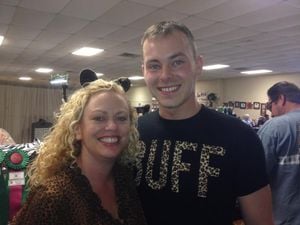
Robyn is the elected TICA Bengal Breed Chair. TICA Bengal breeders from around the world elect the members who represent them, and Robyn’s position allows her to work directly on issues that affect the Bengal breed internationally. She has also developed and presented educational programs about Bengals to TICA judges. Under Robyn’s leadership, the most comprehensive Bengal Breed Seminar was created for TICA.
We are both voting members of the CFA Bengal Breed Council. To be a member, you have to show in CFA and actively participate in refining the standard.
Jon was asked to serve as the Health Liaison for The Internationals Bengal Cat Society (TIBCS). While he is not a veterinarian, years of working with Bengal health issues have given him the ability to communicate effectively with veterinary professionals and then translate complicated medical information into language breeders can use. Other breeders regularly seek his help when they are trying to understand a health problem or work through an issue with their veterinarian.
Our involvement also extends into education and research. Each year, we produce Catology, an educational cat show created to teach both breeders and the public more about cats, health, genetics, breeding, and responsible ownership. We have also assisted with Bengal genetic research at Stanford University and have been acknowledged in published research for our contribution to that work.
None of these things help us produce more kittens. That is the point.
We participate because improving the Bengal breed requires breeders who are willing to contribute their time, experience, and knowledge beyond the boundaries of their own breeding programs. After 27 years, we still believe there is more to learn, more to improve, and more to share.
Bottom line: We are not here simply to breed Bengal kittens. We are here to serve and improve the Bengal breed.
Bengal Cat Appearance
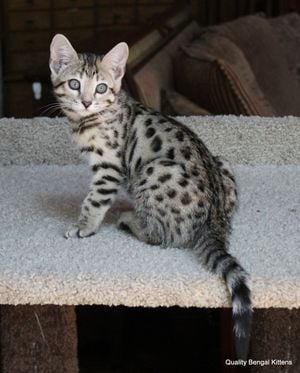
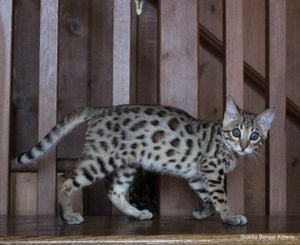 Most people are attracted to Bengals due to their appearance. Quality Bengal Kittens consistently produces a distinct appearance. We have specific breed goals and prioritized physical characteristics that distinguish our cats from other Bengals. Our priority is to maintain as many attributes of a southern subspecies of Leopard cat as possible with a focus on the structure of the cat. In short, if you were to imagine our cats in an all-black coat, they would still look wild due to their physical traits. For more explanation of this, please read the article on Bengal Type.
You may be asking yourself – what is the flip side? The flip side is that our priority is not large rosettes on a glittery, clear coat, which drives many Bengal breeding programs. The proportionately oversized spots on the clear glittered coat look like a cartoon version of a wildcat. DNA descends in blocks. For an unexplainable reason, the structure of a wildcat does not often align with Bengals with oversized markings. In short, if you imagine these cats in an all-black coat, they would not have any traits that identify them as a Bengal. You will find many Bengal catteries that prioritize rosette size, glitter, and coat clarity over the natural look, and if this is what is important to you, we are not the right breeder for you.
Bottom line: Our focus is specific; therefore, we consistently produce kittens that meet our goal.
Bengal Cat Health
Buying a live animal comes with no guarantees. No breeder can promise that an animal will never become sick or develop a disease. Therefore, allowing any pet into your heart comes with some risk. We don’t want to see our cats sick, and we don’t want the people who buy kittens from us to suffer an untimely loss. While we cannot eliminate every health risk, we can make educated breeding decisions that reduce the risks we know about.
Our health program goes far beyond performing a few tests before breeding a cat.
Genetic Health Testing
The two genetic diseases for which there are Bengal-specific tests are
We also test our breeding cats through the
Testing for known diseases is important, but it only tells us about the diseases for which a test currently exists. We want to look beyond the individual cat standing in front of us and consider the long-term genetic health of the Bengal breed.
Genetic Diversity
Genetic diversity gives a population more genetic variation to work with and is an important part of maintaining long-term health. For that reason, we do not make breeding decisions based solely on whether two cats pass a list of genetic tests.
We also look at pedigrees, genetic relationships, coefficient of inbreeding (COI), and the diversity information available through DNA testing. The goal is not simply to produce a healthy kitten today. We want to preserve as much genetic diversity as reasonably possible for future generations of Bengals.
One way we have done this is by bringing less common genetics into our program. We work with different Leopard Cat lineages rather than relying exclusively on the same heavily represented foundation lines found throughout the Bengal population. We have also used carefully planned domestic outcrosses to introduce genetic diversity from outside the existing Bengal gene pool.
There is much more science behind genetic diversity than a pet owner needs to understand when choosing a kitten. What matters is that we consider the genetic health of the whole pedigree, not simply the test results of the two cats being bred.
You can read more about our efforts to maintain genetic diversity in The Benefits of Outcrossing in a Breeding Program.
HCM Testing Over Generations
Hypertrophic Cardiomyopathy, or HCM, is one of the most important health concerns in Bengal cats. Unlike PRA-b and PK-Def, there is currently no simple genetic test that can tell us whether a Bengal will develop HCM. The primary screening tool available to responsible breeders is an echocardiogram performed by a board-certified veterinary cardiologist.
Our breeding cats receive echocardiograms approximately every 12 to 18 months, and we continue screening our cats into older ages.
There is more to our HCM testing than how often we test. Dr. Lori Siemens, a board-certified veterinary cardiologist, has been scanning Robyn’s cats since 2004. Working with the same cardiologist for more than 20 years has given us consistency in how our cats are evaluated. Dr. Siemens has followed not only individual cats over time, but generations of cats within our breeding program.
An echocardiogram provides measurements of the heart, so there is value in being able to compare those measurements over time. When Dr. Siemens scans one of our cats, she may also have scanned that cat’s mother, grandmother, siblings, and other relatives. This gives us much more information than simply knowing that a young breeding cat had a normal HCM scan on a particular day. We can look at how hearts change as cats age and whether we see patterns developing within a family.
This is also why we believe it is important to continue HCM testing our breeding cats as they get older. HCM can develop later in life, so a normal scan at one or two years old does not tell us what that cat’s heart will look. We have key cats in our pedigrees that have continued to scan normally into their senior years, and those results help us make breeding decisions about their descendants.
You can see our cats that have been HCM screened beyond age five on our HCM Testing Our Bengal Cats page and learn more about why we continue testing older cats in Why Do We Heart Test Our Bengal Cats for So Many Years?
A Five-Year Health Guarantee
Health testing only has meaning if a breeder is willing to stand behind the breeding decisions they make.
Our kittens come with a five-year health guarantee covering genetic and congenital defects. Many serious inherited conditions do not necessarily become apparent during kittenhood or even within the first few years of life. HCM is a good example. A three-year guarantee may expire before a disease has had enough time to reveal itself.
We cannot guarantee that a cat will never become ill. No responsible breeder can. What we can do is perform extensive health testing, follow our cats and their families over generations, make breeding decisions based on that information, and stand behind the kittens we produce for longer than the first few years of their lives.
Bottom line: Our health program is built on decades of repeated testing and the information those generations of results give us—not simply a checklist of tests performed before breeding.
Bengal Kitten Temperament
Like health, temperament can never be completely guaranteed. However, after breeding Bengals since 1999, we have learned that producing confident, friendly cats is not simply a matter of socializing kittens after they are born. Temperament is a combination of nature and nurture, and our work begins generations before a kitten is born.
Temperament Begins With Genetics
We don’t simply purchase two cats, breed them together, and then discover what kind of temperaments they produce. Many of our female lines have been in our breeding program for five, six, seven, and sometimes eight generations. During those generations, we have watched temperament pass from parents to offspring and used what we have learned to make future breeding decisions.
We select breeding cats for temperament just as deliberately as we select for health and appearance. Shy or overly reactive cats are not what we want to reproduce. We want Bengals that retain the intelligence, curiosity, activity, and intensity that make them Bengals while also having the confidence and resilience necessary to live successfully in a family home.
Knowing generations of cats gives us something that cannot be learned from meeting a breeding cat once. We know the parents, grandparents, great-grandparents, and sometimes many generations beyond them. We know how those cats behaved, and we have watched the traits they produced in their kittens.
Then We Watch the Individual Kitten
Genetics gives us a foundation, but every kitten is still an individual. As our kittens grow, we spend a great deal of time simply watching them.
Does the kitten come to see us when we enter the room, or does it prefer to hang back and observe first? What happens when something unfamiliar is introduced? How does the kitten react to dogs? The vacuum? Visitors? Sudden movement? An unexpected noise?
We are not looking for a kitten that is never startled. That isn’t realistic. Every cat will eventually encounter something it doesn’t like. What interests us is resilience. If something startles a kitten, how quickly does the kitten recover? Does it remain worried, or does curiosity take over and bring it back to investigate? A kitten’s ability to experience something unfamiliar and then recover from it tells us much more than whether the kitten was frightened in the first place. Over time, all of these little observations give us a picture of who that kitten is.
Socialization Happens in Our Home
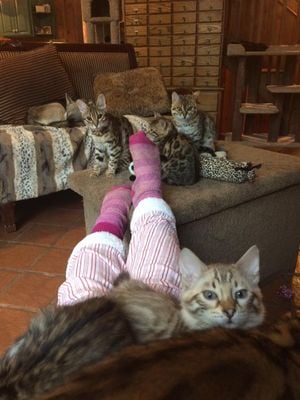
Good genetics are only part of temperament. Kittens also need to be raised in an environment that prepares them for normal family life. Our kittens are born in our bedroom, where their mothers can have the quiet they prefer when their babies are very young. As the kittens get older, we move them into the main living area of our home. From that point on, they are part of whatever is happening in the house.
They hear the dogs bark when the UPS driver arrives, the vacuum cleaner running, people coming to the door, friends visiting, conversations, televisions, kitchen noises, and all of the normal sounds and movement that happen in a home. Sometimes something startles them. That is okay. We are not trying to raise kittens that never experience anything unexpected. What matters is what happens after they are startled. We want them to learn that a loud noise or a new person is not something they need to remain afraid of. When kittens are given normal experiences in a safe environment, they learn to recover and move on. That is an important part of building resilience.
A separate kitten building can be clean, spacious, and well cared for, but it is still not the same as living in a home. If we expect our kittens to become successful family members, then we believe they should be raised as family members from the beginning.
Matching the Kitten to the Family
There is one more important piece to temperament: the right kitten for one household may not be the right kitten for another.
This is why we don’t believe choosing a Bengal should be based solely on which kitten has the markings or color someone likes best. By the time our kittens are ready for selection, we have generations of information behind them and weeks of observations about each individual kitten in front of us.
We use that information to help families choose a kitten whose personality, confidence, resilience, and energy level are a good fit for their household. A family with dogs may need something different from a quiet household. A home with another high-energy cat may need something different from someone looking for a single companion. Some people will enjoy an intense, constantly involved Bengal. Others will be happier with a kitten that has a little more independence.
Our goal isn’t simply to help someone choose a Bengal kitten they love on selection day. Our goal is to help them choose the Bengal they will still be happy living with years later.
Bottom line: A confident Bengal is not created by one temperament test or a few weeks of socialization. We combine generations of temperament-based breeding decisions with in-home socialization, individual observation, and thoughtful kitten matching to give each kitten the best opportunity to become a confident, resilient member of its new family.
To get a sampling of how our experience can serve you, read some of our articles on Bengal cats.
Buyer Education & Support
Bringing your kitten home is not the end of our relationship with you. In many ways, it is when our experience becomes most valuable.
We have been breeding Bengals since 1999. Over 27 years, we have dealt with many of the questions and challenges that can come with living with an intelligent, active cat. We have learned a lot during those years, and when you buy one of our kittens, that knowledge comes with your kitten.
Education Before Problems Begin
We would rather help our families prevent a problem than wait until they are frustrated and trying to fix one.
For two years, our kitten families have access to our monthly educational Zoom meetings. These meetings give people an opportunity to continue learning about their Bengal and, just as importantly, to ask questions as they come up. We discuss the things that actually affect everyday life with a Bengal: nutrition, play and enrichment, behavior, introductions to other pets, litter box issues, health concerns, and other questions that arise as kittens grow into adults.
Sometimes the question is something we can answer in a few minutes. Other times, the situation requires more individual attention.
Individual Support When You Need It
Not every problem can be solved during a group meeting, which is why our support does not stop with the Zoom meetings.
Our families can contact us for individual guidance when they need help. We regularly help people work through behavioral issues, nutrition questions, introductions between animals, litter box problems, and health concerns.
We are not veterinarians, and we do not replace veterinary care. However, 27 years of breeding Bengals gives us a depth of Bengal-specific experience that can be extremely useful when something isn’t going as expected. We can often help an owner understand what questions to ask, what factors to consider, and when a problem needs veterinary attention.
The same is true with behavior. Bengals are intelligent, active cats, and sometimes a behavior that appears to be a “problem” is actually a Bengal communicating that one of its needs is not being met. Understanding the breed can make the difference between continually reacting to a behavior and figuring out why it is happening in the first place.
Our Experience Goes Home With Our Kittens
When you choose a breeder, you are not only choosing where your kitten was born. You are also choosing who you will be able to turn to when you have questions six months, two years, or many years later. We want our kittens to be successful in their new homes. That means educating our families before their kittens leave, continuing that education after they go home, and being available when an individual situation needs more attention.
Bottom line: When you buy a kitten from Quality Bengal Kittens, our 27 years of Bengal experience does not stay at our house. It goes home with you.
Choose Your Breeder First
When people decide they want a Bengal, they naturally start looking at kittens. We encourage people to reverse that process.
Don’t shop for the kitten first. Shop for the breeder first.
The kitten in a photograph is the result of decisions made long before it was born. Look at how the breeder approaches health, genetic diversity, temperament, socialization, and long-term support. Once you find a breeder whose priorities and decisions you trust, let that breeder help you choose the kitten that is right for your household.
A beautiful coat may be what first attracts you to a Bengal, but you will live with that cat’s health and temperament for many years.
Bottom line: Choose your breeder first. Then choose your kitten.
About our Cattery |
About Bengal Cats
Frequently Asked Questions
- How do I know when to Move my Kitten from the Safe Room?
- How to play with your Bengal Cat
- How to Buy a Bengal with a Solid Health Guarantee
- Why do we heart test for so many years?
- Are Bengals Hypoallergenic?
- Which is Best – two girls, two boys, or one of each?
- Do you have the right mindset for a Bengal cat?
- Cat Wheels – do you need one? If so, which one?
- Many more questions are answered on our BLOG