
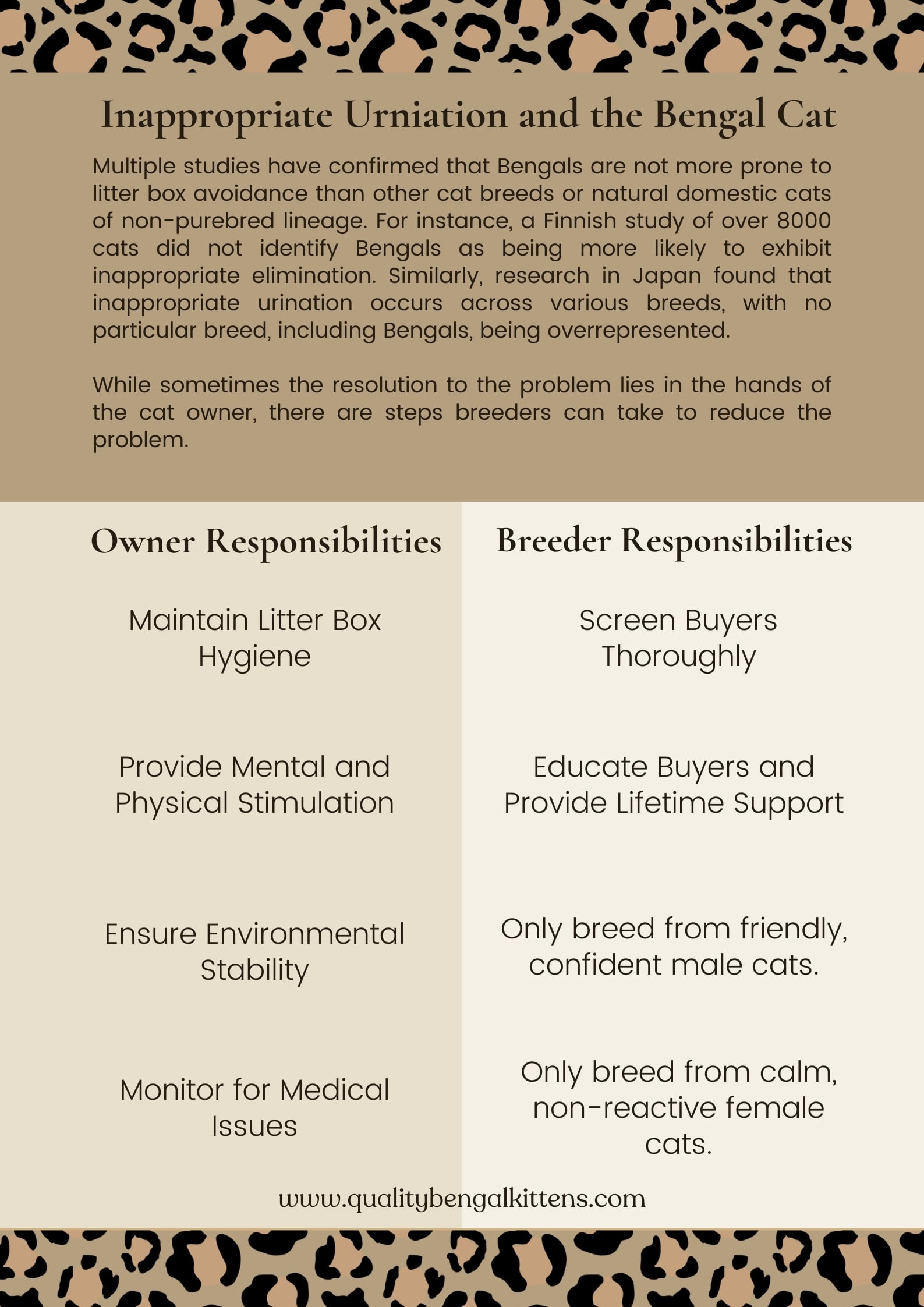
Bengal cats are noted for their intelligence, energy, and appearance, all of which contribute to their popularity. However, like all cats, Bengals can develop behavioral issues, including urinating outside the litter box. Contrary to what some believe, multiple studies have confirmed that Bengals are no more prone to litter box avoidance than other breeds or moggies (naturally formed domestic cats with no purebred heritage). For instance, an extensive study of over 8,000 Finnish cats did not identify Bengals as more likely to exhibit inappropriate elimination (Ahola et al.). Similarly, the “Prevalence of 17 Feline Behavioral Problems in Japan” found that inappropriate urination occurs across various breeds, with no particular breed, including Bengals, being overrepresented (Yamamoto et al.).
Litter box avoidance occurs among all domestic cats, typically stemming from stress, poor litter box hygiene, or medical conditions. Environmental stressors, such as multi-cat households, can trigger this behavior in any cat, not just Bengals (Salonen et al.). Veterinary experts confirm that inappropriate elimination is one of the most frequent reasons for surrendering cats, including Bengals (Herron et al., Yamamoto et al.). While environmental stress is the number one cause of litter box avoidance, breeders should avoid placing all the blame on pet owners for not providing the correct environment, just as owners should not attribute the issue solely to the breed. A balanced understanding of how environment and genetics play a role is crucial.
Breeders have the most power to improve the likelihood of inappropriate urination behavior by ensuring proper breeding practices, proactively educating pet owners, and offering ongoing support. With this behavior often cited as a reason Bengals make poor pets, Bengal breeders who want to protect their breed will take steps to mitigate inappropriate urination in Bengals.
Environmental Causes of Inappropriate Urination
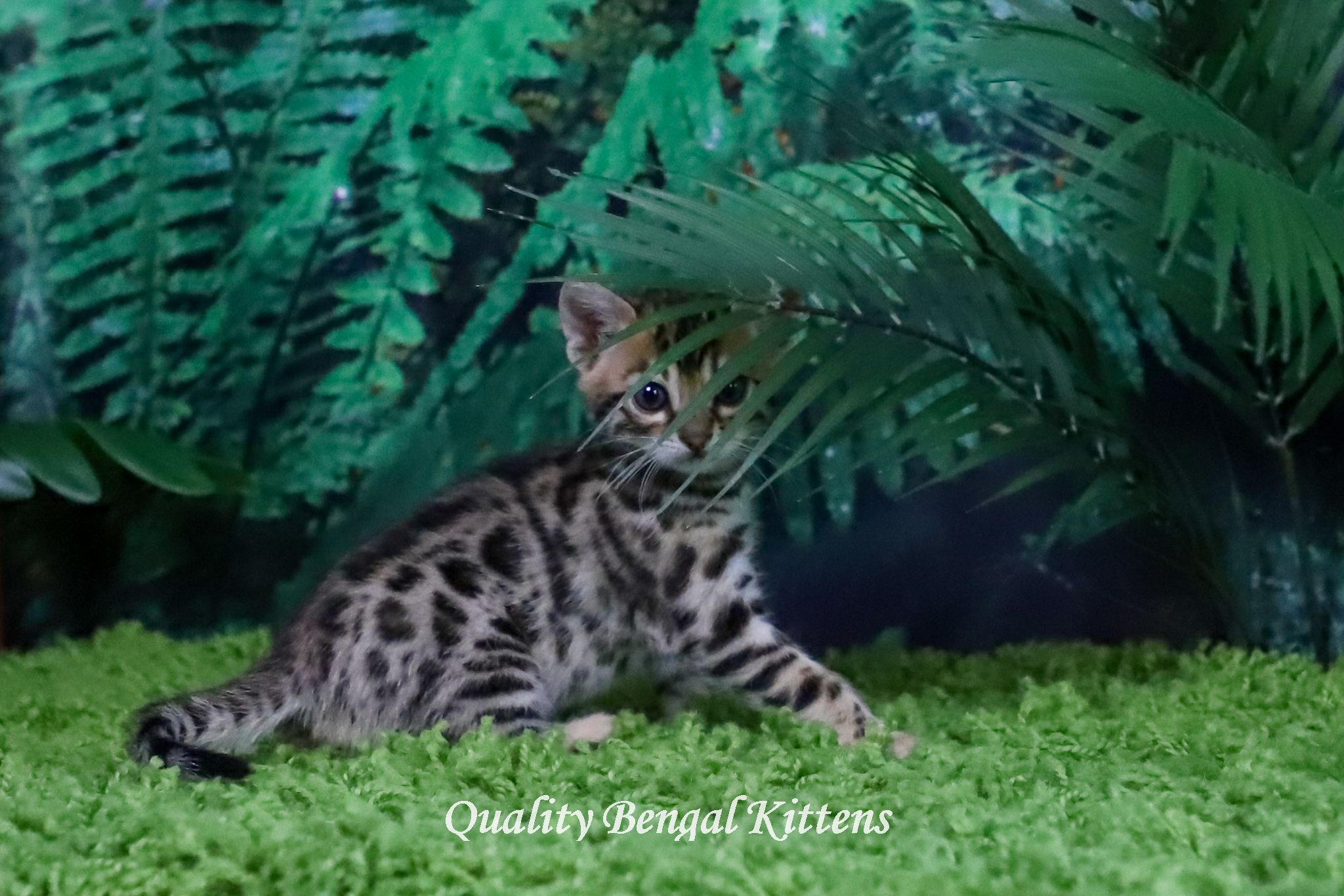
With environmental issues being the top cause of litter box avoidance, the owner of a cat urinating inappropriately needs to investigate extensively to pinpoint the cause. Owners should start by observing their cat’s behavior around the litter box. If the cat approaches the box but hesitates or quickly leaves without using it, it could indicate that the box is unclean, poorly placed, or not to the cat’s liking in size or litter type.
Additionally, owners should assess whether there have been recent changes in the household, such as new furniture, pets, or people, as these can create stress and lead to avoidance. With their high sensitivity and intelligence, Bengals are particularly susceptible to stress caused by environmental changes. Minor alterations, like furniture layout changes or daily routine adjustments, can trigger stress-related behaviors, including litter box avoidance (Harvey et al.). Like all cats, Bengals thrive on consistency, and disruptions to their environment—such as changes in their owner’s schedule or the introduction of new people—can lead to anxiety-driven urination. Maintaining stable routines, providing gradual introductions to changes, and offering ample enrichment can help mitigate the impact of stress on Bengals.

It’s also important to watch for signs of territorial behavior, especially in multi-cat households, where one cat might be preventing another from accessing any cat resources (food, water, litter box, sleeping spaces, etc). Cats may mark their territory through urination when they feel their space is threatened or perceive another cat as an intruder. Monitoring feeding schedules and interactions with family members can also provide clues, as disruptions in routine can trigger anxiety-driven behaviors. Stress from territorial disputes, such as blocking other cats from accessing resources like food or litter boxes, can lead to anxiety-related marking (Herron et al., “Are Bengal Cats Territorial?”). Addressing these issues through proper management of space and understanding a Bengal’s territorial instincts can reduce the occurrence of stress-induced urination.
If an owner, with the guidance of their breeder, cannot identify the cause of the issue, consulting a behaviorist is essential to determining the root of the problem and developing a targeted solution.
The Breeder’s Role in Preventing Environmental Issues
Breeders play a crucial role in ensuring that Bengal cats are placed in homes capable of meeting the needs of a high-energy, intelligent cat. Thoroughly screening potential buyers is essential to this process. Breeders should ask specific questions about the buyer’s readiness to provide adequate litter boxes, engage with the cat regularly, maintain consistent routines, and understand a Bengal’s territorial instincts. Additionally, the breeder must confirm that the buyer possesses the knowledge and skills to care for a high-energy, intelligent breed. It would behoove breeders to equip the buyer with a reliable resource, such as a book on caring for active and highly intelligent cats, to ensure the new owner is well-prepared and to reference when offering guidance down the road. Breeders who place Bengals in homes that are ill-equipped for intelligent, high-energy cats increase the likelihood of them being surrendered, which is a blemish on the breed. Critics of the breed often attribute the consequences of irresponsible breeding to the breed itself, using these mistakes as leverage in their efforts to call for the breed’s elimination. Breeders must prioritize the well-being of the breed over personal profit by conducting a thorough screening process for potential buyers. Selling kittens without properly vetting the clients puts the breed at risk. By screening applicants carefully, breeders can ensure their cats are matched with responsible owners, thus safeguarding the breed’s future.
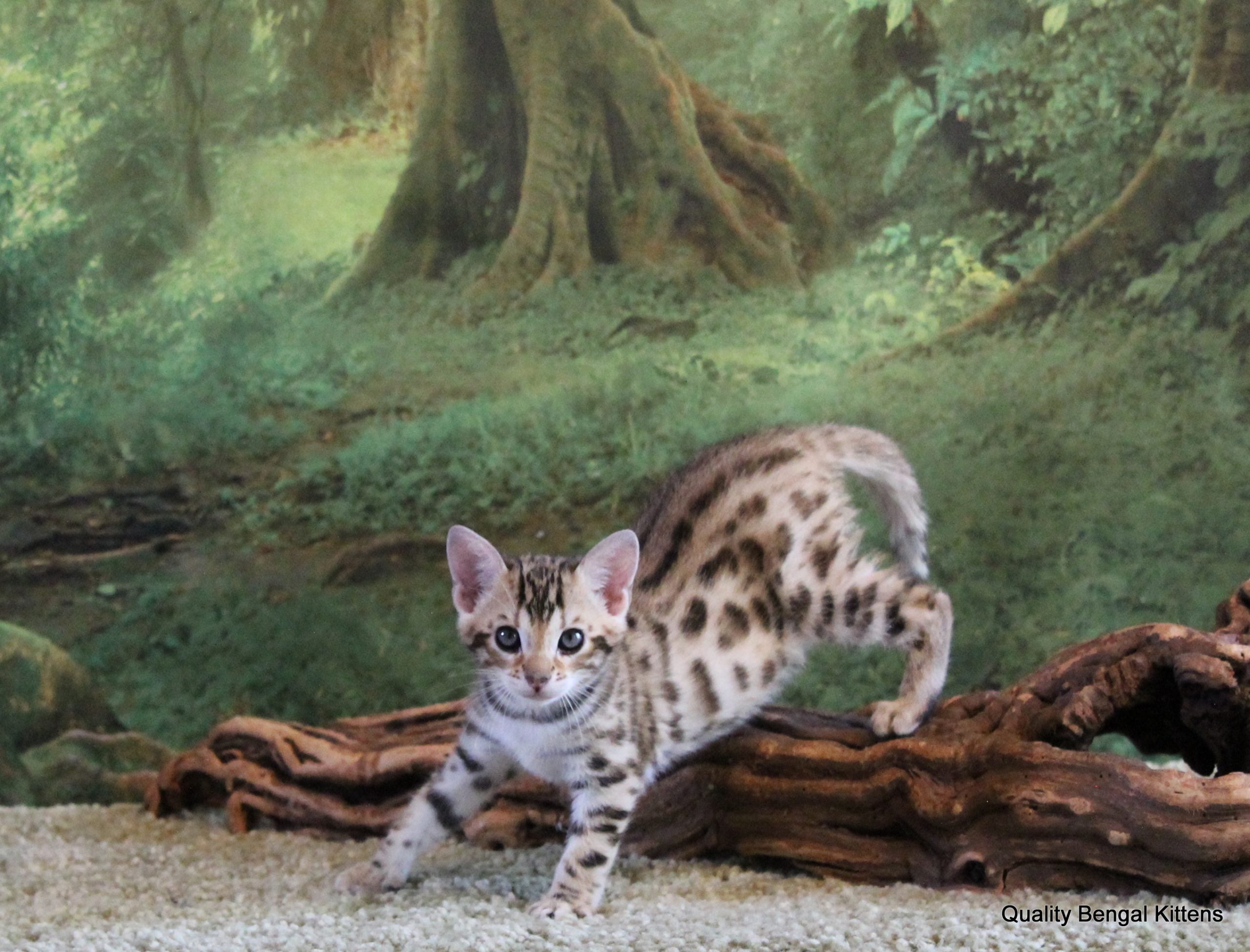
To assess how well a potential buyer understands the importance of engagement, breeders can ask about their plans for physical and mental stimulation for their Bengal. Bengals are intelligent and active cats, and buyers should demonstrate knowledge of enrichment tools like climbing structures, interactive toys, and daily play sessions. Inadequate engagement often leads to stress-related behaviors, including inappropriate urination. Research shows that bored cats, particularly high-energy breeds like Bengals, are more prone to behavioral issues when not appropriately stimulated (“Enrichment and Mental Stimulation in Cats”). Breeders should stress the need for regular interactive playtime, the use of puzzle feeders, and environmental enrichment to satisfy a Bengal’s high activity level. When Bengals feel mentally and physically fulfilled, they are less likely to develop stress-related litter box problems (Turner and Bateson).
Breeders must ask potential buyers about the structure of their daily routines, especially regarding feeding and playtime, to assess if they can provide the consistency Bengals need. Buyers who lead unpredictable lives may not be ideal candidates, as lacking routine can cause stress in Bengals. Research suggests that cats thrive on predictability, and deviations from a stable environment can lead to behavioral issues, including inappropriate urination (“Feline Medicine and Surgery”). Breeders should explain to buyers that Bengals benefit from set meal times, consistent play, and regular sleep schedules. By keeping routines predictable, buyers can create a sense of security for their Bengals, reducing the likelihood of territorial marking or other stress-related litter box issues (“Stress and Cats”).
In addition, breeders should inquire about how the buyer plans to set up their home to give their Bengal expanded territory, especially the use of vertical space. Bengals stem from a cat who lives in trees, so many of them are genetically wired to enjoy being up high. Buyers must be prepared to meet this need. Research shows that Bengal cats, like other territorial breeds, can become anxious if their space feels threatened, leading to behaviors such as marking (“Territorial Behavior of Domestic Cats”). Providing Bengals with high perches and ample territory to explore can help satisfy their territorial needs and prevent inappropriate urination caused by stress or competition (“ISFM Guide”).
Medical Causes of Inappropriate Urination
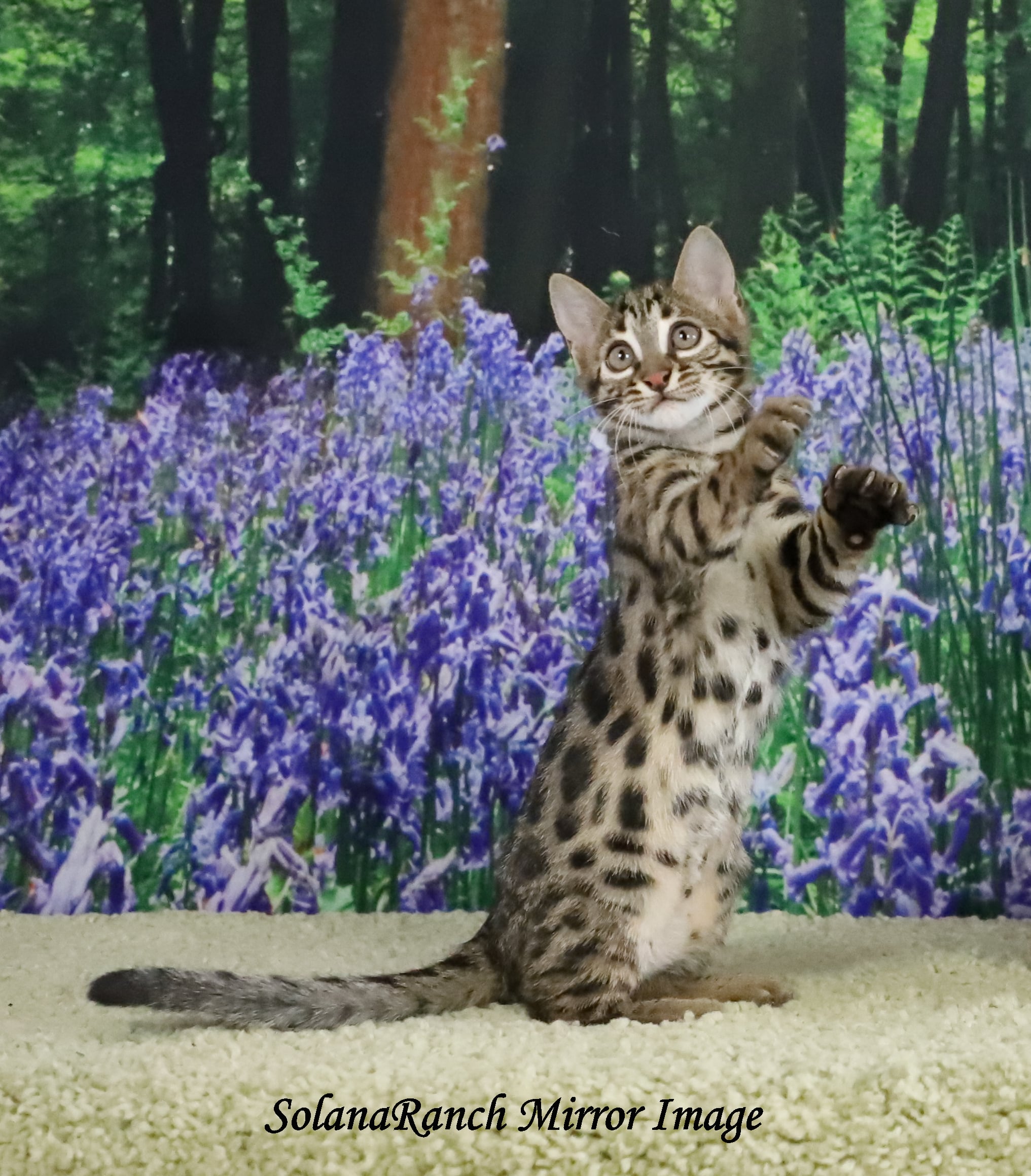
Medical issues are a common cause of inappropriate urination. However, it is not unusual for a cat to be tested for urinary issues, only for the results to return as normal. At this point, Feline Lower Urinary Tract Disease (FLUTD) must be considered if a cat exhibits inappropriate urination and no other cause is found. FLUTD can be a baffling condition, often driven by stress and anxiety, especially in Bengals. Affected cats may associate the litter box with pain, leading them to avoid it in search of relief elsewhere. Bengal Rescue stresses that FLUTD is curable with veterinary care, particularly with the use of Amitriptyline Transdermal, a medication that reduces bladder discomfort and tones down the anxiety that fuels FLUTD in Bengals (“Litter Box Issues”). Bengal Rescue has saved hundreds of cats using Amitriptyline, turning around even extreme cases with this affordable treatment. They have found it to be more effective than alternatives like Prozac or Gabapentin. In all of the cats Bengal Rescue has worked with over many years, they never had a urination problem that was not resolved, and for many of them, the solution was often Amitriptyline (“Litter Box Issues”). These resolutions are not temporary; their longest-lasting case has remained resolved for eight years.
Temperament as a Cause of Inappropriate Urination
Temperament plays a critical role in a cat’s likelihood of urinating outside the litter box, as this trait impacts the animal’s ability to manage stress and environmental changes.
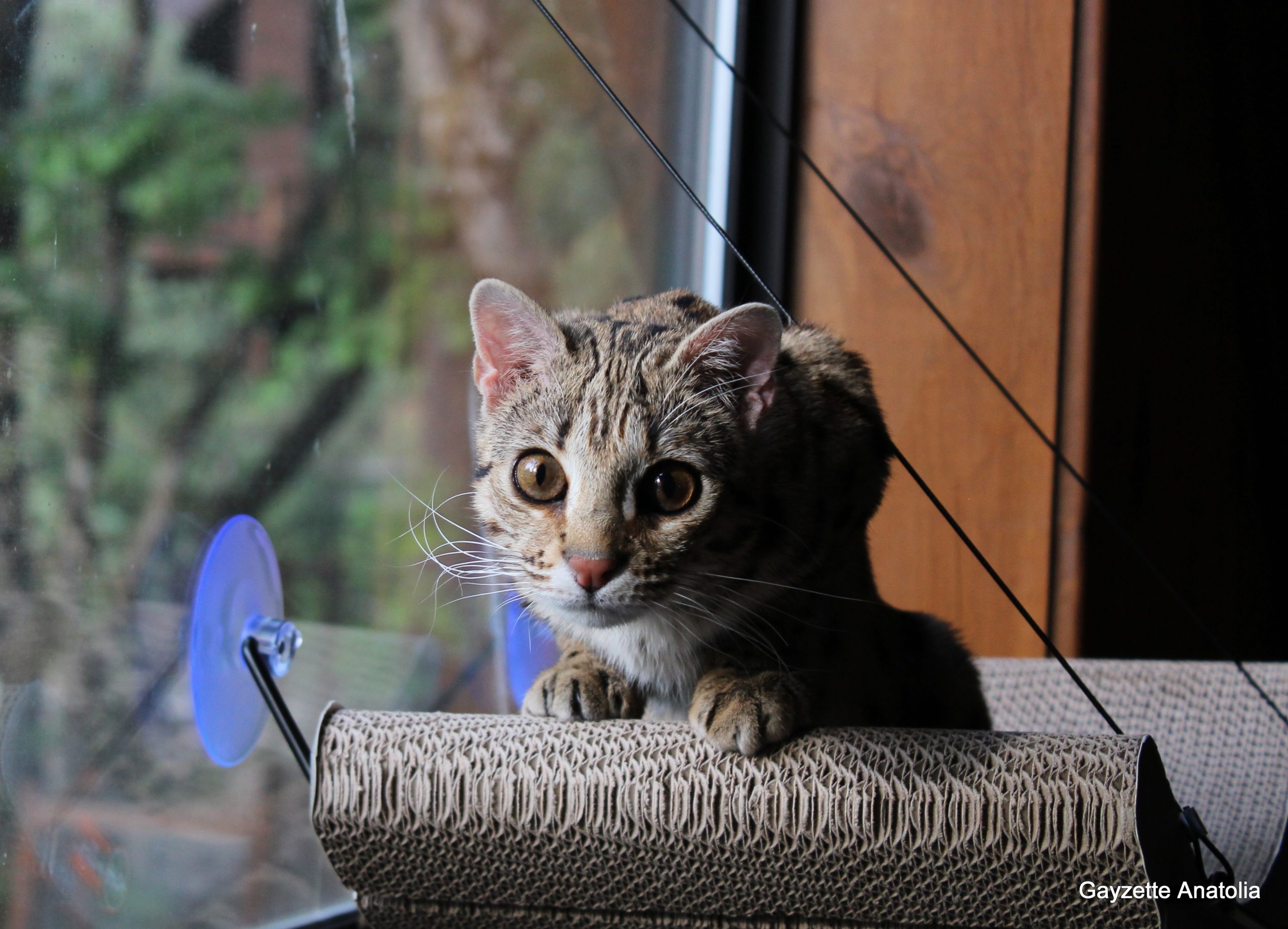
Breeders are crucial in reducing these behaviors by selecting cats with stable temperaments. Research shows that the sire significantly influences kittens’ boldness, sociability, and overall temperament (Salonen et al.). The sire’s temperament impacts how kittens respond to stressful situations, such as new people, other animals, or routine disruptions, all of which can trigger anxiety-driven behaviors like inappropriate urination. Resilient cats handle these changes better, reducing the likelihood of stress-related issues. A confident and social sire interacting positively with humans and other animals is more likely to produce less fearful and more adaptable kittens (McCune). Confident and resilient sires pass on traits that help their offspring cope better with stress, reducing anxiety-driven behaviors such as inappropriate urination. This makes it essential for breeders to choose sires with non-reactive, confident personalities to help produce kittens that are better equipped to handle stress and exhibit fewer behavioral problems (McCune). Ultimately, breeders should not be flexible when choosing their sires. They must prioritize friendly, curious, confident sires to produce better-equipped kittens to handle stress and environmental changes.
The dam’s temperament is equally important – both genetically and through early socialization. A calm and nurturing mother provides emotional security to her kittens, modeling positive stress management behaviors (Yamamoto et al.). Kittens are highly sensitive to their mother’s emotional cues, and a calm, resilient mother can model positive stress management behaviors. Research shows that kittens exposed to a low-stress environment during early development are more likely to develop well-balanced, confident temperaments (McCune). Additionally, a calm mother is more likely to provide consistent care, ensuring the kittens receive adequate nutrition and emotional security during their crucial early weeks (Ahola et al.). Therefore, breeders should prioritize selecting calm, non-reactive female cats and avoid breeding anxious or overly territorial females.
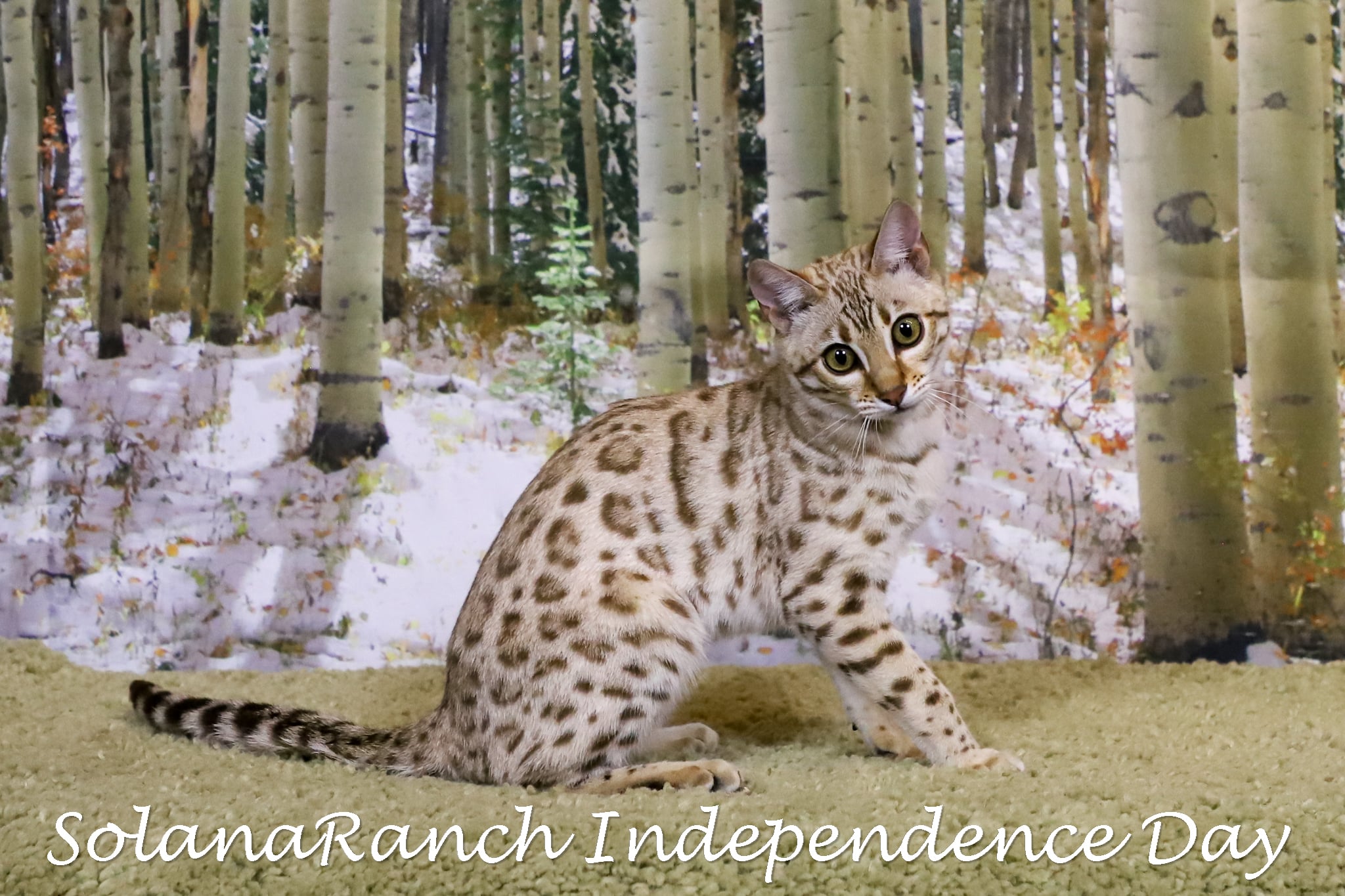
Inappropriate urination in Bengal cats is a complex issue influenced by environmental, medical, and temperamental factors, but it is not an inherent trait of the breed. Bengals require dedicated owners who understand their high intelligence, energy, and sensitivity. Owning a Bengal means more than admiring its appearance; it requires a commitment to providing consistent mental and physical stimulation, a stable environment, and proper care. Breeders play a crucial role in shaping these animals’ well-being by selecting sires and dams with stable temperaments and educating buyers on how to meet a Bengal’s needs. By doing so, they can reduce the risk of stress-related behaviors like inappropriate urination.
Ultimately, both breeders and owners share the responsibility of ensuring Bengals thrive as well-adjusted pets. That starts with addressing the underlying factors contributing to behavioral issues and maintaining a high standard of care throughout the cat’s life.
Works Cited
Ahola, M. K., et al. “Health and Behavioral Survey of over 8000 Finnish Cats.” Journal of Veterinary Behavior, vol. 16, 2016, pp. 26-34. PubMed, https://pubmed.ncbi.nlm.nih.gov/27622188/.
“Are Bengal Cats Territorial? Exploring Their Marking Behavior and Territory Protection.” ThePetFAQ, 26 Sept. 2023, https://thepetfaq.com/are-bengal-cats-territorial-exploring-their-marking-behavior-and-territory-protection/.
“Enrichment and Mental Stimulation in Cats.” Pet Behavior Science, petbehaviorscience.org.
“Feline Environmental Needs Guidelines.” American Association of Feline Practitioners (AAFP) and International Society of Feline Medicine (ISFM), 2013.
“Feline Medicine and Surgery.” Journal of Feline Medicine and Surgery, 2020.
Harvey, N. D., et al. “Companion Cats: Behavioral and Welfare Considerations in the Multi-Cat Household.” Journal of Veterinary Behavior, vol. 29, 2019, pp. 47-56.
Herron, M. E., et al. “Feline Behavior Problems: Inappropriate Elimination.” Today’s Veterinary Practice, 2020, https://todaysveterinarypractice.com/feline-inappropriate-urination/.
“ISFM Guide to Multi-Cat Households.” International Society of Feline Medicine, 2019.
“Litter Box Issues in Bengals.” Bengal Rescue, https://bengalrescue.org/resources/litter-box-issues/.
McCune, Sandra. “The Influence of Maternal Behavior on Kitten Development.” Animal Behaviour Journal, 1995.
Salonen, M., et al. “Breed Differences in Behaviour of Cats: A Study of the Finnish Domestic Cat Population.” Scientific Reports, vol. 9, no. 1, 2019, doi:10.1038/s41598-019-52277-z.
“Stress and Cats: Behavioral Reactions to Environmental Changes.” Journal of Feline Behavior, 2020.
“Territorial Behavior of Domestic Cats.” Animal Behavior Journal, 2018.
Turner, Dennis, and Patrick Bateson. The Domestic Cat: The Biology of Its Behaviour. Cambridge University Press, 2014.
“Welfare Implications of Feline Inappropriate Elimination.” International Cat Care, 2016.
Yamamoto, M., et al. “Prevalence of 17 Feline Behavioral Problems and Relevant Factors of Each Behavior in Japan.” Journal of Feline Medicine and Surgery, vol. 22, no. 5, 2020, pp. 411-417. PubMed, https://www.ncbi.nlm.nih.gov/pmc/articles/PMC7118490/.